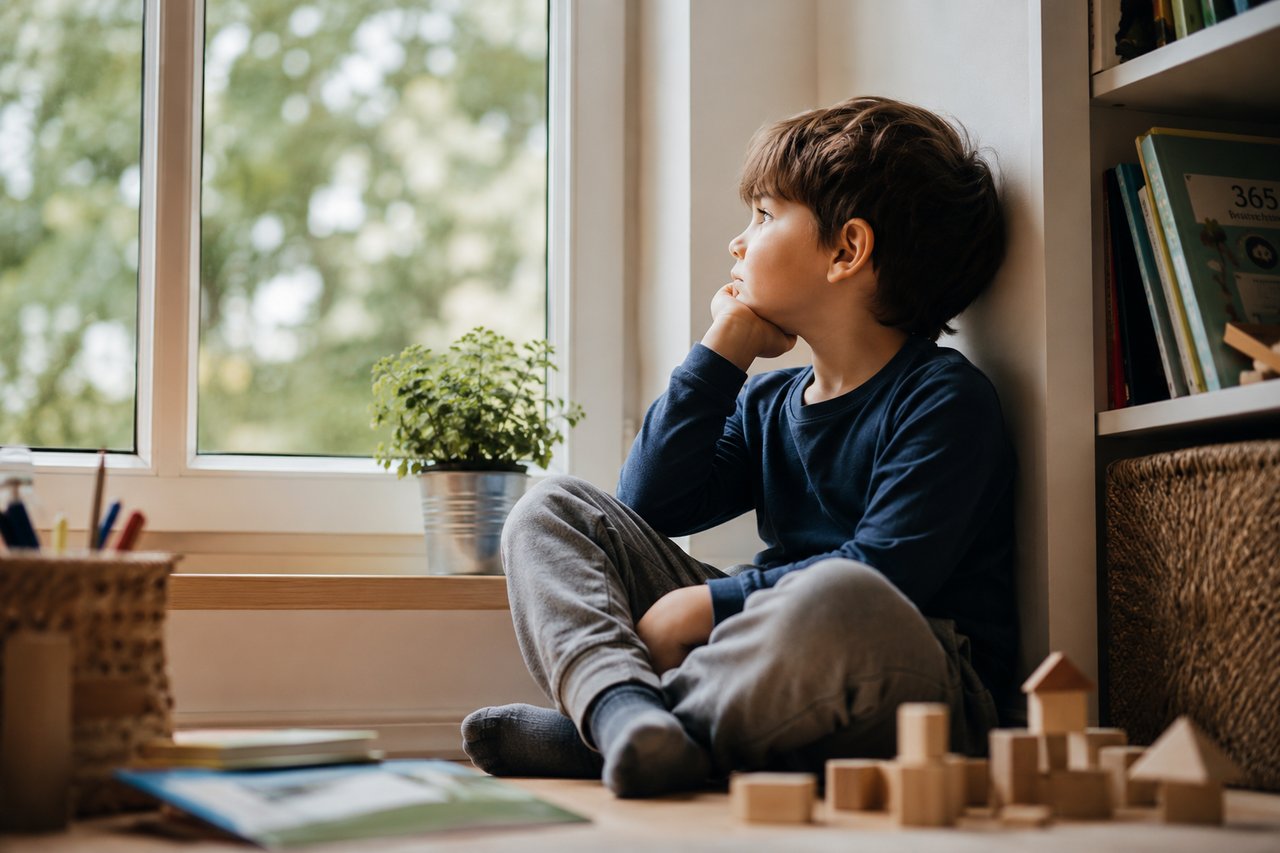
Why Boredom Is Good for Your Child’s Brain
Modern parenting culture treats boredom as a problem to solve. Neuroscience suggests it may be one of the most important experiences we are taking away from our children.
The Disappearance of Boredom
A generation ago, boredom was an ordinary part of childhood. Long car rides. Quiet Sunday afternoons. Summers with no particular agenda.
Children were left, regularly, with nothing to do. And something happened in that space.
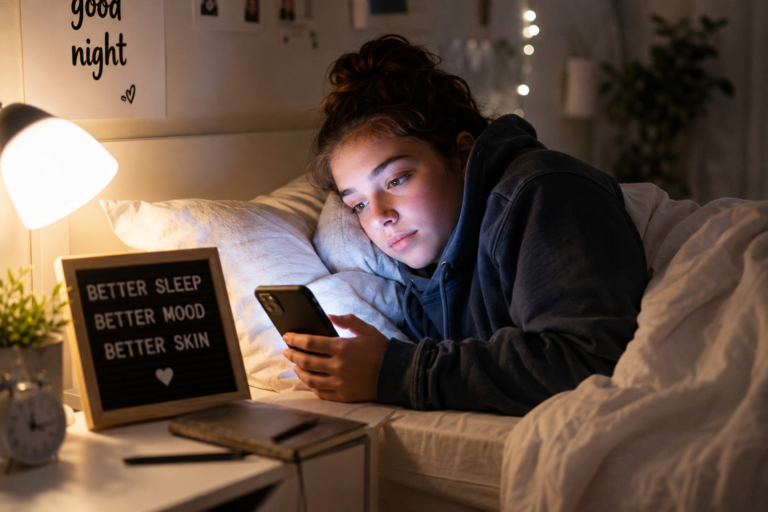
Today, that experience has become rare. The moment a child feels understimulated, a screen is available. Boredom is neutralized before it can develop into anything.
Most parents feel relieved when this happens. The whining stops. The child is occupied. Everyone moves on.
But neuroscience is beginning to document what we may be losing in that moment — and the findings are worth paying attention to.
What the Bored Brain Is Actually Doing
When external stimulation decreases, the brain does not go quiet. It activates a system researchers call the default mode network — a set of brain regions that become most active when we are not focused on the outside world.Think of it as the brain’s inner workshop.This network is associated with imagination, self-reflection, creative thinking, and the ability to understand other people’s perspectives. It is also deeply involved in how children develop a sense of who they are.Neuroscientist Mary Helen Immordino-Yang and colleagues at the University of Southern California have argued that this inner mental activity is not idle daydreaming. Reviewing the evidence, they describe it as active cognitive work — the kind involved in processing experiences, feeling social emotions, and building a coherent sense of self.When a screen fills every quiet moment, this workshop never opens.
Boredom and Creativity: What the Research Shows
A 2014 study found that people who performed a boring task before a creative one generated significantly more original ideas than those who went directly to the creative task.
The reason appears to be mind-wandering. When the mind is left without a clear external focus, it begins to make unexpected connections — combining distant ideas, rehearsing social situations, imagining possibilities.
This is not distraction. It is one of the brain’s most productive states.
Worth noting: those experiments were run with adults, not children. Whether the same effect holds for a developing brain has not been tested directly, so applying it to childhood is a reasonable inference rather than a demonstrated finding. The stories children invent, the games they construct from nothing, the questions they suddenly ask — these often emerge from boredom, not despite it.
The Emotional Dimension
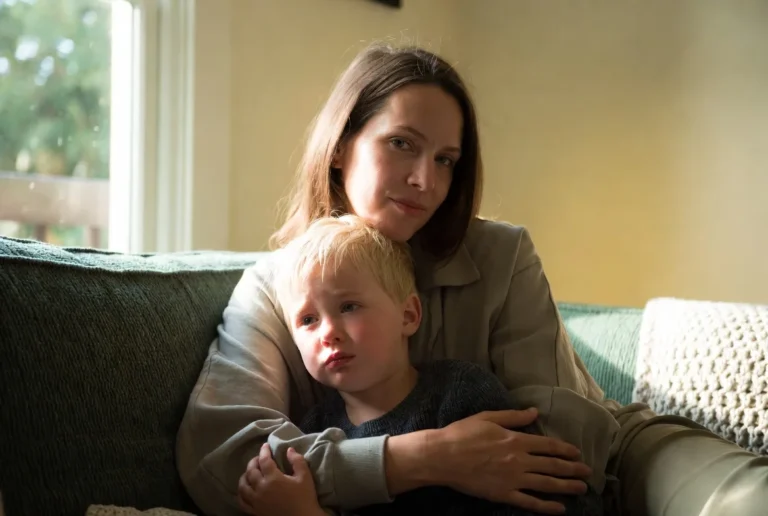
There is a second reason boredom matters that has nothing to do with creativity.Boredom is uncomfortable. And learning to sit with discomfort — without immediately escaping it — is one of the most important skills a child can develop.When children are always rescued from boredom by a screen or an activity, they never practice tolerating an unpleasant internal state. Over time, they may get less practice at managing frustration, waiting, or staying with something that feels difficult. That is a plausible concern rather than something the research has settled.Many parents feel guilty when their child says “I’m bored.” It can feel like a failure — like you haven’t provided enough. But boredom is often the beginning of something, not a sign that something is missing. It is the moment just before a child figures out what to do with themselves.That moment has real value. It is worth protecting.
What Parents Can Do This Week
The research doesn’t ask for dramatic changes. Small, consistent adjustments are enough.
Wait before solving it. When your child says “I’m bored,” pause before responding. Give it five or ten minutes. Most children will find something to do — and what they find is often more valuable than anything you would have suggested.
Keep simple materials available. Paper, building blocks, art supplies, outdoor space. The less structured the material, the more the child’s imagination has to supply.
Protect at least one unscheduled afternoon per week. Not every weekend hour needs a plan. Gaps in the schedule are not failures of parenting — they are where a child gets to decide what happens next.
Delay screen access in the mornings. Starting the day without a screen leaves room for a child to settle into their own thoughts, and it usually makes the rest of the morning routine easier to run.
Resist overscheduling. Children who move from activity to activity without pause rarely experience the productive restlessness that boredom produces.
The Bigger Picture
We are living through a period in which eliminating boredom has become technologically possible for the first time in human history.The consequences of this are only beginning to be understood.What the neuroscience suggests is that boredom — like free play, like natural light, like consistent sleep — is not a gap in a child’s experience. It is an essential part of one.The most creative, curious adults often describe childhoods rich in unstructured time. Long afternoons with nothing particular happening. A particular restlessness that eventually turned into something.That restlessness had a name.It was boredom. And it was doing important work.
Key Research Referenced
Immordino-Yang, M.H., Christodoulou, J.A., & Singh, V. (2012). Rest is not idleness: implications of the brain’s default mode for human development and education. Perspectives on Psychological Science, 7(4), 352–364.
Mann, S., & Cadman, R. (2014). Does being bored make us more creative? Creativity Research Journal, 26(2), 165–173.
Smallwood, J., & Schooler, J.W. (2015). The science of mind wandering: empirically navigating the stream of consciousness. Annual Review of Psychology, 66, 487–518.
Enjoying this content?
Family Healthy Guide translates modern science into practical insights for modern families.
👉 Download the free guide : familyhealthyguide.com/free-family-guide