15 Active Indoor Games for Kids to Burn Energy at Home
Rainy day, restless kids? 15 active indoor games for kids — from Freeze Dance to tape hopscotch — with ages, space needed, and simple safety tips.

Rainy day, restless kids? 15 active indoor games for kids — from Freeze Dance to tape hopscotch — with ages, space needed, and simple safety tips.

If your child is sick or hurt but not in serious danger, the AAP says it is usually best to call the pediatrician first. Where urgent care, the ER and 911 fit.

Learn where to start with vegetables for picky eaters, including simple cooked options, preparation ideas, and low-pressure ways to offer them.

Bell peppers filled with lean ground beef, quinoa, and black beans, cooked in a slow cooker and finished with melted cheese, from a U.S. Department of Veterans Affairs recipe.
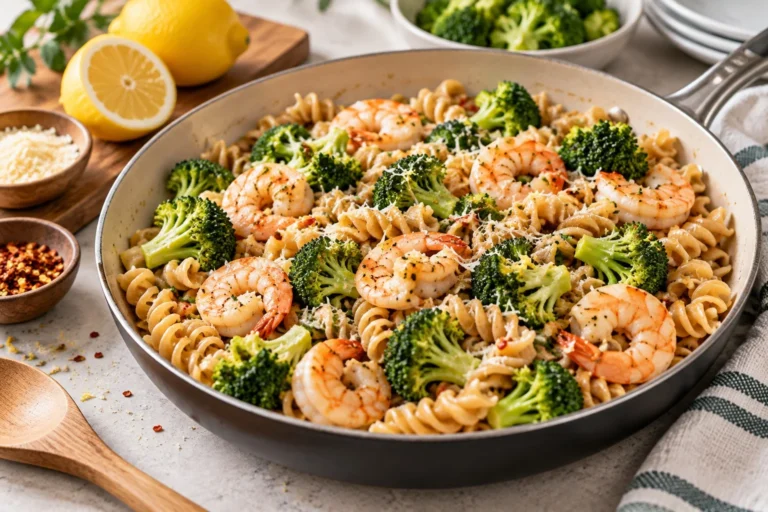
A twenty-minute whole-wheat pasta dinner with shrimp, broccoli, garlic, and lemon, from a U.S. Department of Veterans Affairs recipe.

A two-serving sheet-pan dinner of chicken, sweet potato, broccoli, and red bell pepper with lemon and parmesan, from a U.S. Department of Veterans Affairs recipe.

Build a family dinner rotation with 15 meals, five simple dinner types, and a 3-week schedule that takes the guesswork out of weeknight dinners.

The screen is off and your child has nothing to do. Two ways to make the switch easier: order the afternoon so screen time comes last, or use a short three-step transition when it didn’t.

Digital thermometer, the right method for your child’s age, the right technique. What AAP guidance says about measuring a child’s temperature, step by step.

Ear pain has more than one cause, and ear pulling alone does not prove an infection. What AAP guidance says about the signs, the cold connection, and when to call.