When to Call the Pediatrician, Use Urgent Care, or Go to the ER
If your child is sick or hurt but not in serious danger, the AAP says it is usually best to call the pediatrician first. Where urgent care, the ER and 911 fit.
Children’s health is interconnected in ways that are easy to miss when you’re troubleshooting one problem at a time. Sleep affects concentration and appetite. Stress affects sleep. Diet affects energy and mood. Working on the foundations usually beats chasing symptoms individually.
This page is a starting point rather than an archive. It holds four foundational guides — one for each pillar of children’s health — and points onward to the specialist sections where each topic is covered in depth.
Sleep. The Ultimate Guide to Healthy Sleep for Kids covers requirements by age, routines, and the disruptions that come up most often. For specific problems — night waking, bedtime resistance, nightmares, teenage sleep — go to Sleep & Rest.
Nutrition. The Ultimate Guide to Kids’ Nutrition covers nutrients, meals, hydration, and eating habits in one place. For meal ideas, individual nutrients, label reading, and picky eating, go to Nutrition & Food.
Stress and the developing brain. How Stress Affects Your Child’s Brain explains what stress does to a developing nervous system and how resilience is built. Anxiety, emotional skills, and the role of play are covered in Mental Wellness.
Everyday habits. 10 Simple Healthy Habits for Kids is the practical companion to all of the above — a small set of daily basics with reasonable evidence behind them. No child needs a perfect routine.
Two further sections cover the surrounding territory: Teen Health for adolescence, where the rules genuinely change, and Family Wellness for the household routines that make healthy choices easier to sustain.
Educational content only, based on established health recommendations and peer-reviewed research. It does not replace individual medical advice.

If your child is sick or hurt but not in serious danger, the AAP says it is usually best to call the pediatrician first. Where urgent care, the ER and 911 fit.
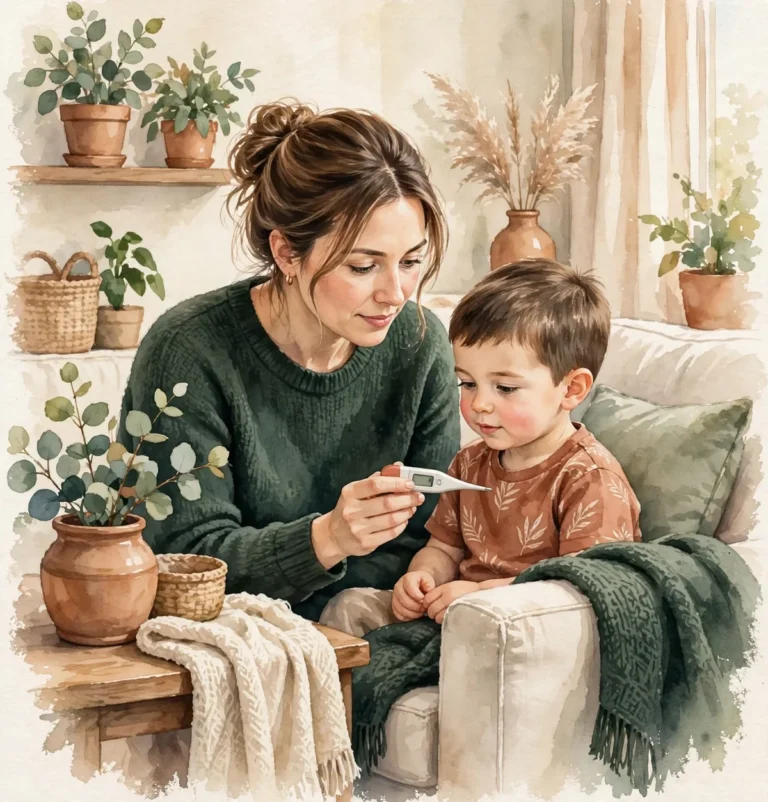
Digital thermometer, the right method for your child’s age, the right technique. What AAP guidance says about measuring a child’s temperature, step by step.
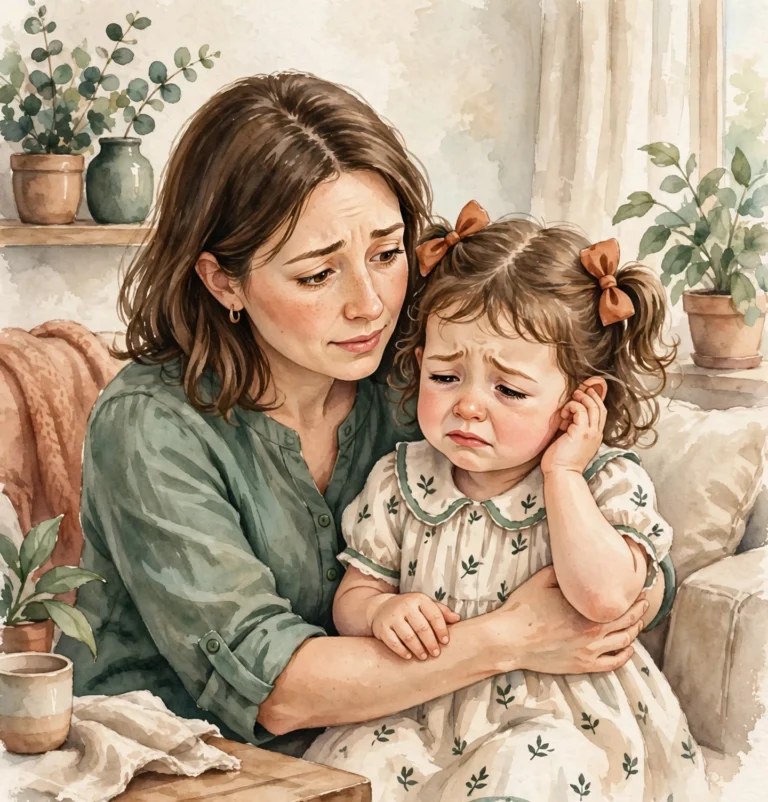
Ear pain has more than one cause, and ear pulling alone does not prove an infection. What AAP guidance says about the signs, the cold connection, and when to call.
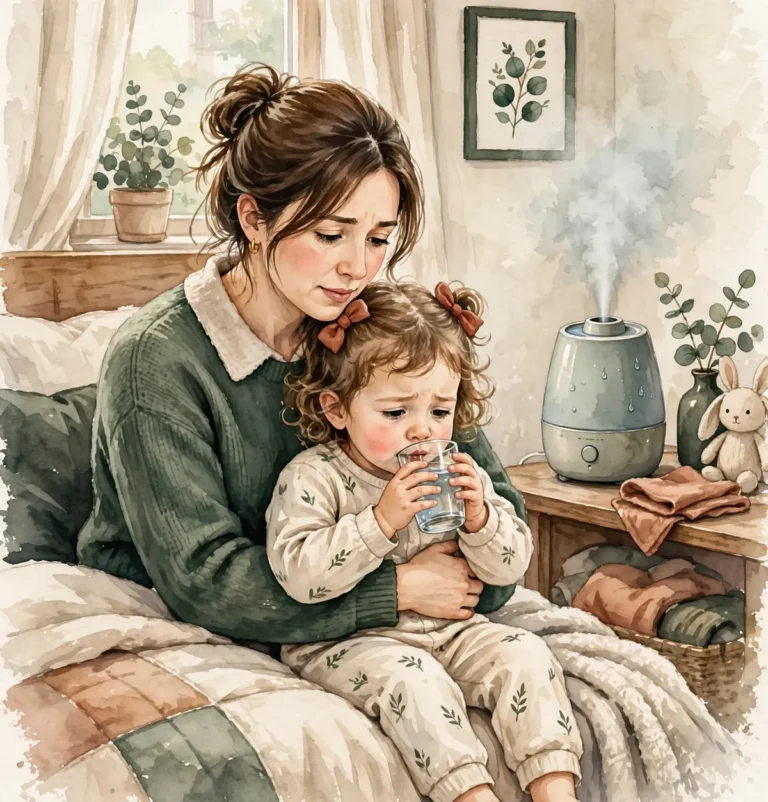
Quick Answer: Most childhood coughs happen with viral illnesses such as colds. A cough may be dry or wet, but its sound alone does not tell you how serious it is. Focus on your child’s breathing, hydration, activity, and other symptoms. Simple supportive care may be enough when your child is comfortable and breathing normally….

Dehydration signs differ by age. What AAP guidance sets out for babies, young children and older children — and the one situation it places in the ER.

Most childhood vomiting settles on its own. What AAP guidance says about food, medicines, and the warning signs that mean it is time to call the pediatrician.
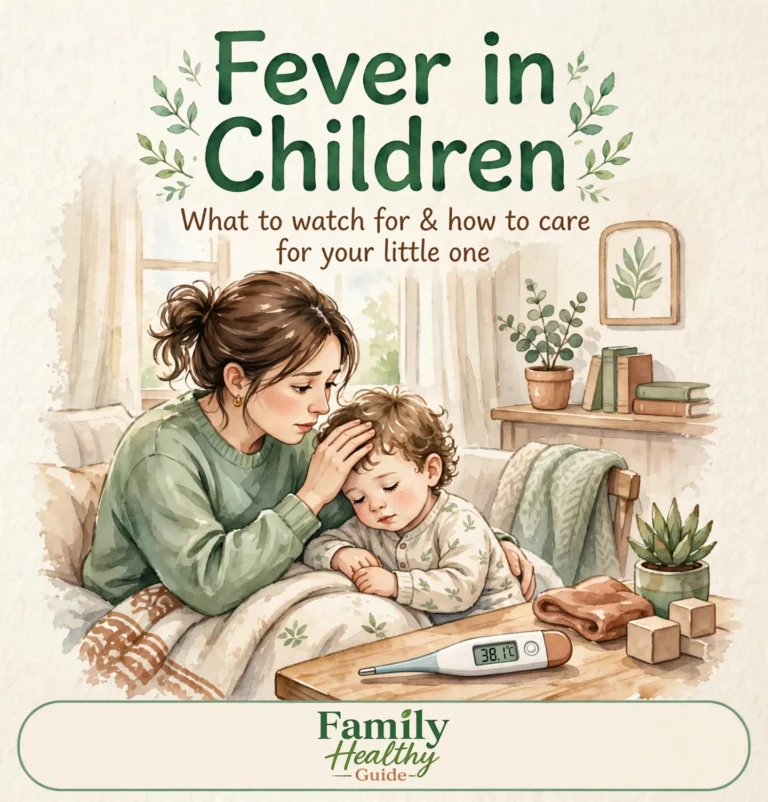
A fever reading only means something alongside the measurement site, your child’s age, and how your child is acting. What AAP guidance says, and what it does not.

A practical guide for parents to reading health research: how to tell association from causation, what different study types can and cannot show, how to read a study’s own limitations, why recommendations are not the same as findings, and how to spot the leap between a finding and the claim built on it.

A complete back-to-school guide organized by when, not what: sleep two weeks out, mornings one week out, then food, screens, anxiety, and the first week — with links to the full guide for each.

Healthy sleep is essential for children’s growth, learning, and emotional well-being. Science-based sleep guidelines by age, bedtime routines, and expert tips.