Vegetables for Picky Eaters: Where to Start
Learn where to start with vegetables for picky eaters, including simple cooked options, preparation ideas, and low-pressure ways to offer them.
Feeding children well is less about achieving perfect nutrition and more about consistency, repeated exposure, and a calm relationship with food. The evidence here is genuinely useful — but it sits underneath marketing claims, conflicting headlines, and packaging designed to look healthier than the contents are.
Start here. The Ultimate Guide to Kids’ Nutrition is the anchor for this section, covering nutrients, meals, hydration, and habits in one place, with links onward to every detailed guide.
Meals that work on ordinary days. Most families don’t need new recipes so much as fewer daily decisions. Healthy Breakfast Ideas for Kids covers quick school mornings, and Best Healthy School Lunch Ideas focuses on lunches that actually come home empty. For the harder end of the week, our family wellness guides cover weekly meal planning, grocery lists, and dinners for busy households.
Snacks, assessed honestly. Snacking is where marketing and nutrition diverge most sharply. How to Choose Healthy Snacks for Kids sets out what to look for, Healthy Snacks for Kids: 25 Ideas gives practical options, and Hidden Sugar in Kids’ Food shows how much added sugar sits in products aimed at children. How to Read Nutrition Labels turns all of it into a skill you can use in the aisle.
Nutrients worth understanding. A handful come up repeatedly in children’s diets. Best High-Protein Foods for Kids and Best High-Fiber Foods for Kids cover the two most commonly under-consumed. Iron Deficiency in Kids reviews the signs and the best food sources. Are Kids’ Vitamins Really Necessary? looks at when supplements add something and when food is enough.
Habits over rules. 15 Healthy Eating Habits for Kids focuses on the long game, and How to Get Picky Eaters to Try New Foods treats selective eating as a normal developmental stage rather than defiance.
Adolescents have different energy and nutrient needs — those guides live in teen health.
Educational content only. Discuss allergies, growth concerns, restrictions, or suspected deficiencies with your child’s pediatrician or a registered dietitian.

Learn where to start with vegetables for picky eaters, including simple cooked options, preparation ideas, and low-pressure ways to offer them.
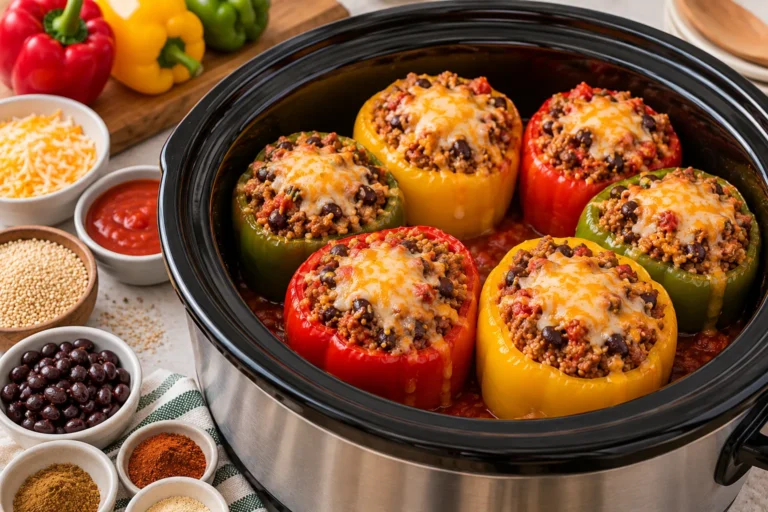
Bell peppers filled with lean ground beef, quinoa, and black beans, cooked in a slow cooker and finished with melted cheese, from a U.S. Department of Veterans Affairs recipe.
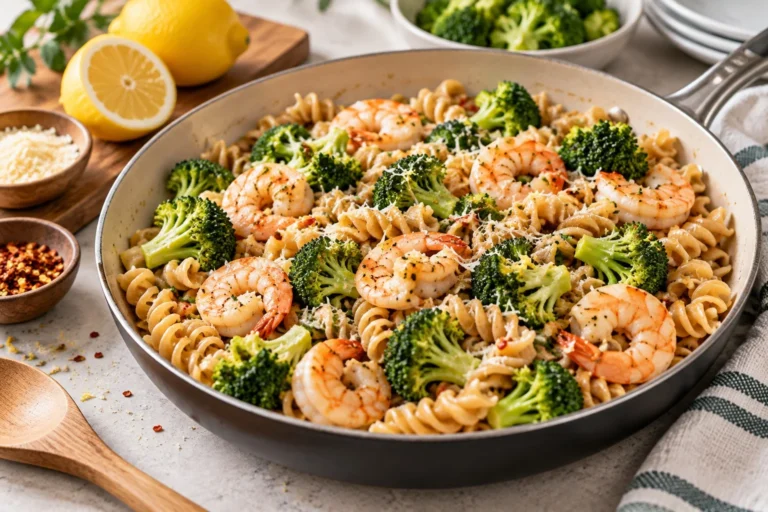
A twenty-minute whole-wheat pasta dinner with shrimp, broccoli, garlic, and lemon, from a U.S. Department of Veterans Affairs recipe.
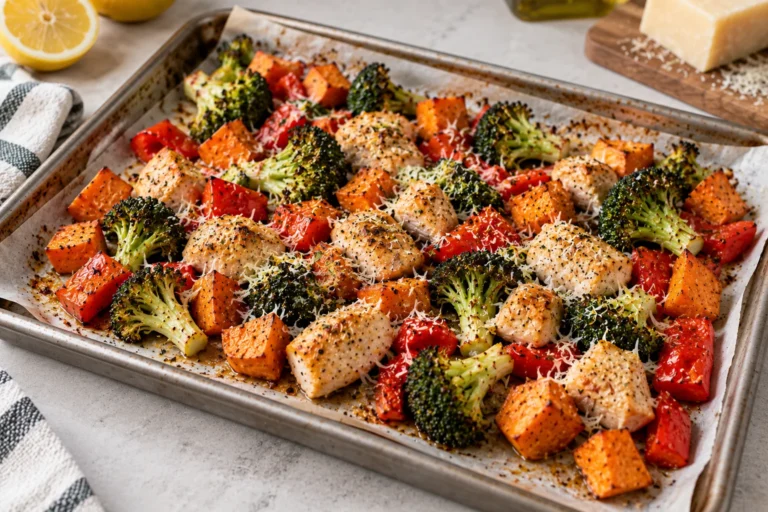
A two-serving sheet-pan dinner of chicken, sweet potato, broccoli, and red bell pepper with lemon and parmesan, from a U.S. Department of Veterans Affairs recipe.

Build a family dinner rotation with 15 meals, five simple dinner types, and a 3-week schedule that takes the guesswork out of weeknight dinners.

A full lunchbox at 3 p.m. isn’t necessarily a verdict on the food. Seated eating time, recess order, packaging, portion size and the school-day environment all shape how much a child actually eats — and most of them are testable before you change the menu.

A complete, evidence-based guide to kids’ nutrition — meals, nutrients, hydration, habits, and links to every in-depth guide on the topic.

Discover 25 healthy breakfast ideas for kids, quick school-day options, high-protein and high-fiber picks, and make-ahead breakfasts.
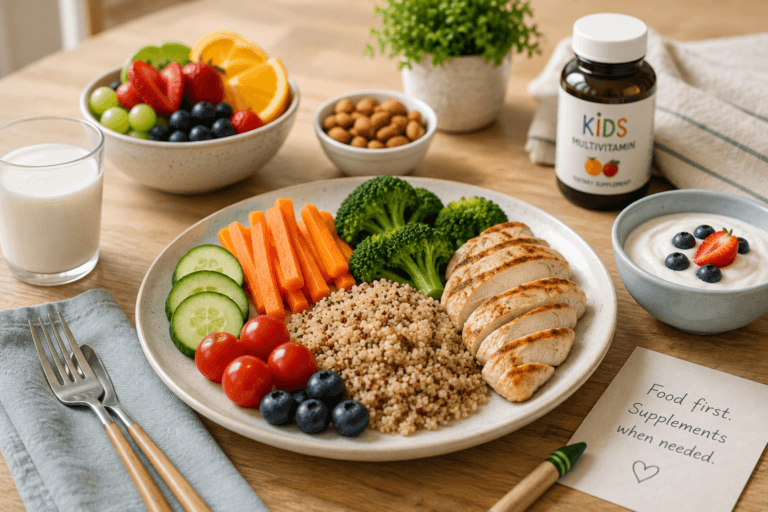
Do kids need vitamins? Learn which nutrients matter most, when supplements may help, and why a balanced diet comes first.
Discover 15 simple, science-based eating habits that help kids build a healthy relationship with food for life.