How to Build Resilience in Children: A Parent’s Guide
Resilience isn’t about toughening kids up. Science-based ways to help children face setbacks, use support, and recover — plus when to seek help.
Children rarely have the vocabulary to explain what they’re feeling. Stress usually arrives as behaviour instead — irritability, difficulty concentrating, clinginess, or withdrawal — which is easy to read as defiance rather than distress. Understanding what’s happening underneath makes it much easier to respond well.
Start with the mechanism. How Stress Affects Your Child’s Brain covers what current research suggests about stress and the developing brain, and why some responses build resilience while others compound the problem. It is the most useful starting point in this section.
Anxiety around transitions. New school years, new schools, and new routines are among the most common triggers of childhood anxiety, and they follow recognisable patterns. Back-to-School Anxiety in Kids covers the signs by age and what tends to help.
Emotional skills are learned. They develop through daily interaction rather than instruction. Raising Emotionally Intelligent Kids sets out what the developmental research suggests about how children build the ability to name, tolerate, and regulate feelings.
Unstructured time is not wasted time. Two of our guides make a case that runs against most modern parenting instincts. Why Boredom Is Good for Your Child’s Brain examines what happens when children have nothing scheduled, and Why Free Play Is More Powerful Than Organized Exercise looks at unstructured play as a driver of problem-solving, imagination, and independence.
Emotional wellbeing doesn’t sit in isolation from the rest of a child’s day. Sleep is one of the strongest bidirectional influences — poor sleep worsens emotional regulation and stress disrupts sleep in turn — so our sleep guides are often the practical next step. Physical activity connects here too, through our fitness and activity guides.
This section is growing. It focuses on everyday emotional development rather than clinical conditions.
Educational content only. This is not a diagnostic resource. Persistent or severe emotional and behavioural difficulties, or any concern about a child’s safety, warrant professional assessment.
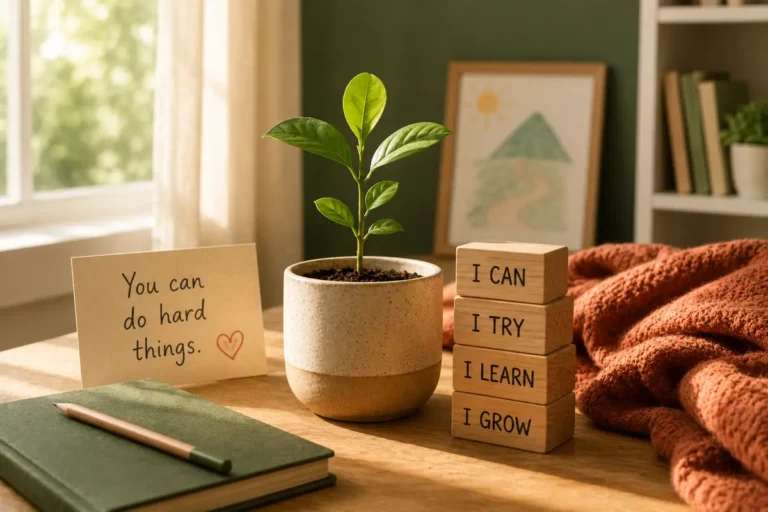
Resilience isn’t about toughening kids up. Science-based ways to help children face setbacks, use support, and recover — plus when to seek help.

Anger isn’t the problem — knowing what to do with it is. Science-based steps for calming an angry child, setting limits, and when to seek help.

How anxiety shows up at different ages — from preschool clinginess to teenage withdrawal — plus the physical signs, and when to talk with a healthcare professional.

How children develop emotional awareness and regulation, what shapes it at each age, and how parents can help kids name, tolerate, and manage difficult feelings.
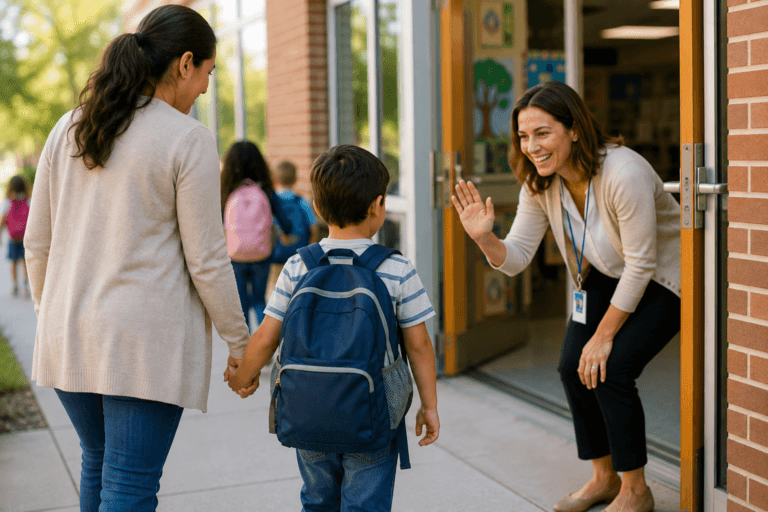
Recognize the signs of back-to-school anxiety in kids and use science-based strategies to help your child feel confident.

Learn how stress affects your child’s developing brain and discover science-based strategies to help them build resilience.
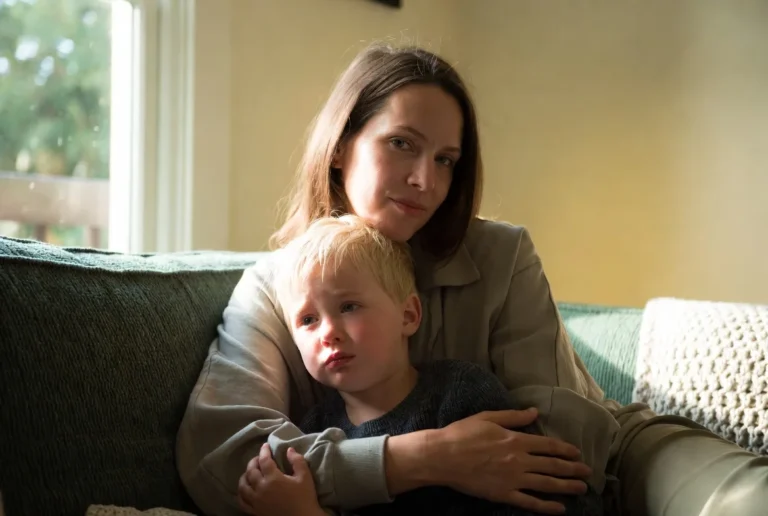
Emotional intelligence predicts life outcomes more than IQ. Here’s what neuroscience recommends for raising emotionally intelligent kids — starting today.
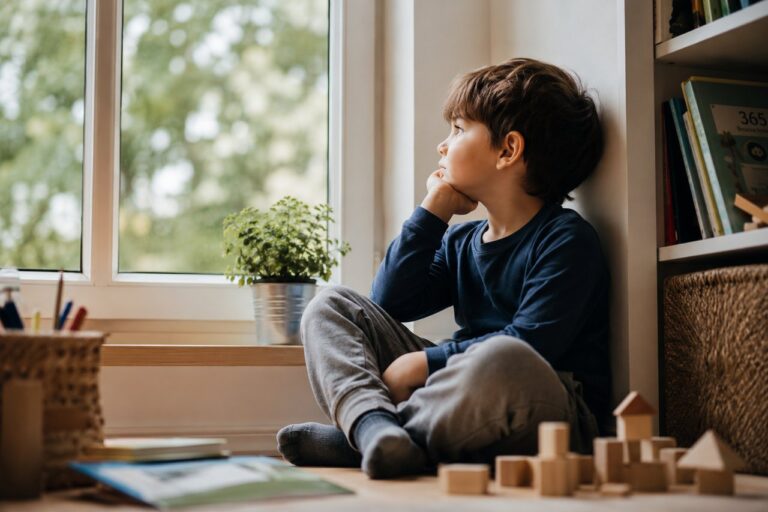
Why unstructured time matters for children — what research on the brain’s default mode network and mind-wandering actually shows, what it doesn’t, and what parents can do this week.
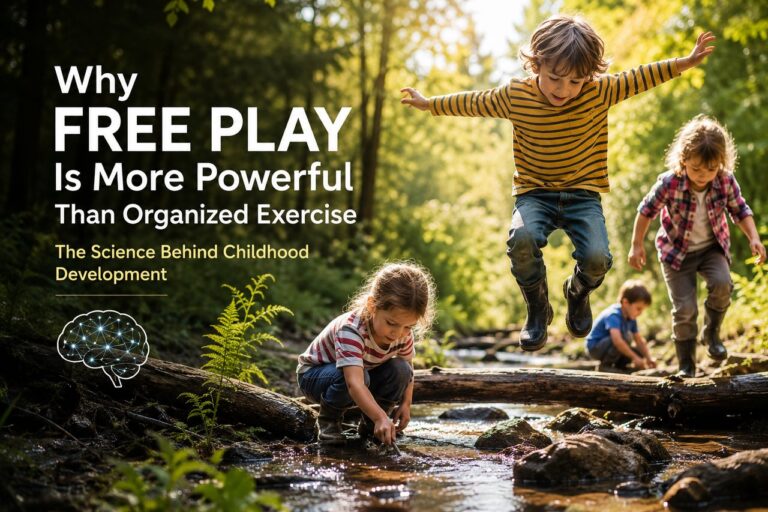
What research actually supports about unstructured free play for children — where the evidence is solid, where it is only suggestive, and what parents can do this week.