Kids’ Immune System Foods
Every parent wants to keep their child healthy through cold and flu season, and it’s tempting to look for a single “immune-boosting” food or supplement that promises to prevent every illness. The reality is both simpler and more encouraging: no single food can prevent infections, but a balanced diet rich in key nutrients can help the immune system function the way it’s designed to.
Children typically have around 6 to 8 respiratory infections each year during the early school years, according to pediatric sources including Johns Hopkins Medicine. While this can be frustrating for families, it’s also a normal part of how the immune system learns to recognize and respond to germs. Healthy daily habits help support this process — they don’t eliminate it. This article is part of our Complete Guide to Kids’ Nutrition.
No food or supplement guarantees that a child won’t get sick. The nutrients and habits below support normal immune function as part of an overall healthy lifestyle, not as a cure or shield against illness.
How the Immune System Protects Your Child
The immune system is a complex network of cells, tissues, and organs working together to recognize and fight bacteria, viruses, and other germs. To function well, it relies on many everyday habits, including a balanced diet, adequate sleep, regular physical activity, good hygiene, recommended vaccinations, and healthy gut bacteria. Rather than looking for one “superfood,” it’s more helpful to build healthy habits that work together over time.
Vitamin C: The Classic, and Still Useful
Vitamin C helps support the production and function of white blood cells, an important part of the body’s natural defenses. Excellent food sources include oranges, strawberries, kiwi, bell peppers, broccoli, and tomatoes. Most healthy children can get enough vitamin C through a varied diet without needing supplements.
Zinc: Small Amounts, Big Role
Zinc supports the development and function of immune cells while also helping wounds heal properly. Good sources include beef, poultry, seafood, beans, lentils, pumpkin seeds, and cashews. Because zinc is a trace mineral, children only need small amounts — too much from supplements may interfere with the absorption of iron and copper.
Vitamin D: The Sunshine Nutrient
Vitamin D helps activate important parts of the immune system. Children obtain it from sunlight, fatty fish, fortified milk, fortified cereals, and egg yolks. Since many children spend more time indoors than previous generations, some may not get enough. A pediatrician may recommend supplementation when appropriate, especially for children at higher risk of deficiency.
Protein: The Building Block of Immunity
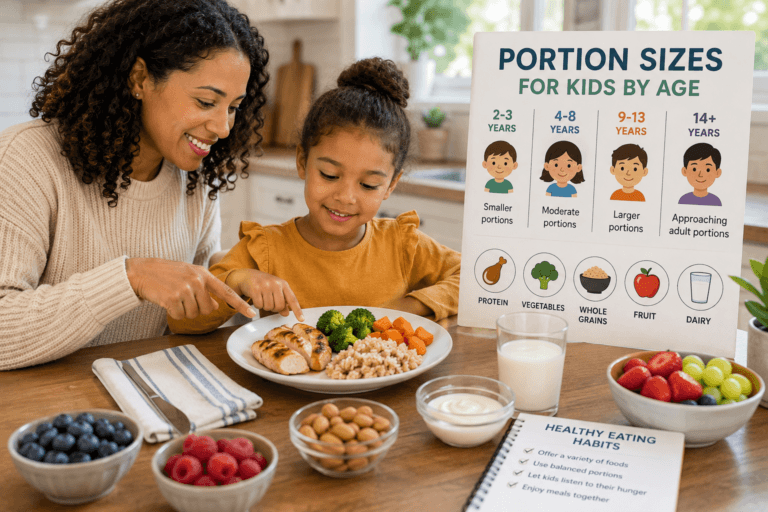
Protein often receives less attention than vitamins, but it’s essential for a healthy immune system — the body uses it to build antibodies and many of the immune cells responsible for fighting infections. Healthy sources include eggs, chicken, turkey, fish, Greek yogurt, beans, lentils, tofu, and lean meats. Including a source of protein at each meal helps support healthy growth as well as normal immune function.
Probiotics and the Gut-Immune Connection
Around 70% of the body’s immune cells are found in tissues associated with the gastrointestinal tract, highlighting how closely gut health and immune function are linked. Healthy gut bacteria help train immune cells, support the intestinal barrier, and contribute to balanced immune responses. Foods containing beneficial bacteria include yogurt with live cultures, kefir, and fermented vegetables — part of the same gut-health connection we explored in our guide to the gut-brain-skin connection.
Omega-3s and Inflammation
Omega-3 fatty acids help regulate inflammation throughout the body. Healthy sources include salmon, sardines, walnuts, chia seeds, and flaxseed. A balanced inflammatory response allows the immune system to react appropriately without becoming excessively activated.
Eat the Rainbow
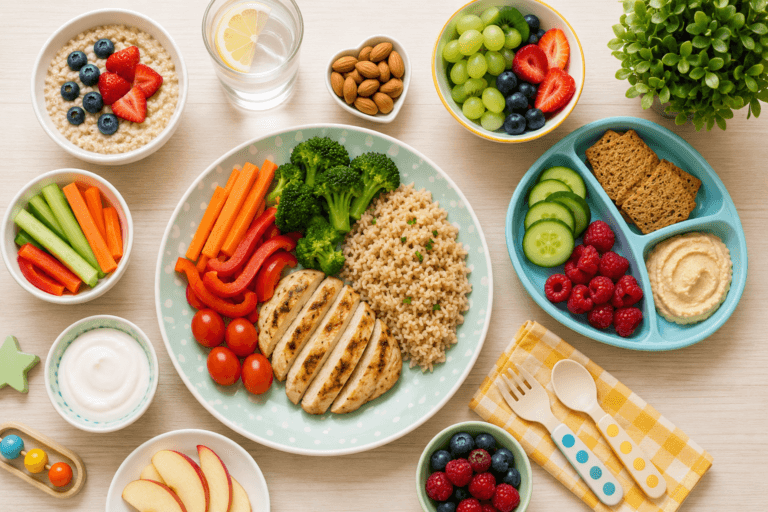
No single fruit or vegetable provides every nutrient a growing child needs. Different colors often provide different vitamins, minerals, antioxidants, and plant compounds. Encourage children to eat a variety of colorful foods throughout the week — red tomatoes and strawberries, orange carrots, yellow peppers, green spinach and broccoli, blueberries, and purple cabbage. The goal isn’t perfection at every meal — it’s variety over time.
Don’t Forget Hydration
Water supports nearly every system in the body, including the immune system. Good hydration helps keep the mouth, nose, and throat moist, allowing these natural barriers to trap germs more effectively. Water should remain the main drink for most children, while sugary beverages should stay occasional.
Does Sugar Weaken the Immune System?
Sugar doesn’t instantly “turn off” the immune system. However, diets high in added sugars often replace healthier foods that provide vitamins, minerals, fiber, and protein. Limiting sugary drinks, candy, and desserts while encouraging whole foods supports overall health, including immune health.
Limit Ultra-Processed Foods
Ultra-processed foods such as chips, sugary breakfast cereals, candy, pastries, soft drinks, and packaged desserts are often high in sugar, salt, and unhealthy fats while providing relatively few nutrients. Enjoying these foods occasionally is perfectly reasonable, but they shouldn’t replace fruits, vegetables, whole grains, lean proteins, and dairy or fortified alternatives.
What About Elderberry and Other Supplements?
Elderberry is commonly marketed for children’s immunity, but current evidence remains limited and mixed — one study involving children over five years of age found no meaningful improvement in flu symptoms or recovery time. Supplements can be useful when a child has a confirmed nutritional deficiency, but they should complement, not replace, a healthy diet, and should ideally be used under a pediatrician’s guidance.
Immune-Supporting Foods at a Glance
| Nutrient | Why It Matters | Good Food Sources |
|---|---|---|
| Vitamin C | Supports white blood cell function | Oranges, kiwi, strawberries, bell peppers |
| Zinc | Helps immune cell development | Beef, beans, seafood, seeds |
| Vitamin D | Activates immune defenses | Fatty fish, fortified dairy, egg yolks |
| Protein | Builds antibodies and immune cells | Eggs, poultry, fish, beans, yogurt |
| Probiotics | Supports healthy gut bacteria | Yogurt, kefir, fermented vegetables |
| Omega-3s | Helps regulate inflammation | Salmon, walnuts, flaxseed |
Beyond Food: Daily Habits Matter Just as Much
Nutrition is only one piece of a healthy immune system. Children also benefit from age-appropriate sleep, daily physical activity, regular handwashing, managing stress, and staying up to date on recommended vaccinations — the same interconnected pattern we covered in our guides to teen sleep and exercise and mental health. These same healthy habits also support emotional well-being, healthy growth, and overall development.
Daily Immune Health Checklist
- ✅ Eat fruits and vegetables every day
- ✅ Include a protein source at each meal
- ✅ Drink plenty of water
- ✅ Get enough sleep
- ✅ Be physically active every day
- ✅ Wash hands regularly
- ✅ Stay up to date with recommended vaccinations
Simple Ways to Add These Foods to Your Child’s Diet
- Prepare colorful fruit platters
- Add berries to oatmeal or yogurt
- Serve vegetables with hummus
- Make smoothies using yogurt and fruit
- Offer salmon or another oily fish once or twice each week
- Include beans or lentils in soups and pasta dishes
- Keep healthy snacks visible and easy to grab
Small changes repeated consistently are often more successful than trying to completely change a child’s diet overnight.
What If My Child Is a Picky Eater?
Selective eating is extremely common during childhood. Rather than forcing children to eat unfamiliar foods, continue offering a wide variety without pressure. Research suggests some children need to see or taste a new food many times before accepting it. Patience, repeated exposure, and family meals are usually more effective than bargaining or forcing bites.
When Should You Talk to a Pediatrician?
Speak with your child’s healthcare provider if your child has frequent or unusually severe infections, experiences poor growth or unexplained weight loss, has persistent digestive problems affecting nutrition, requires repeated courses of antibiotics, or if you suspect a nutritional deficiency. These situations deserve individualized medical evaluation rather than relying on supplements alone.
Still have questions? Here are some of the most common concerns parents ask about kids’ immune health and nutrition.
Frequently Asked Questions
Can children get enough immune-supporting nutrients from food alone?
In most cases, yes. A balanced diet that includes fruits, vegetables, whole grains, protein foods, and dairy or fortified alternatives provides the nutrients most healthy children need.
What’s the best fruit for immunity?
There isn’t one “best” fruit. Oranges, kiwi, strawberries, and many other fruits all provide valuable nutrients. Variety matters more than any single superfood.
Do immune supplements actually work for kids?
Certain nutrients such as vitamin D, zinc, and probiotics have evidence supporting specific uses, but supplements should fill nutritional gaps rather than replace healthy eating. Always consult a pediatrician before starting supplements.
Can too much vitamin C or zinc be harmful?
Yes. More is not always better. Excessive zinc can interfere with iron and copper absorption, while high doses of vitamin C may cause digestive discomfort in some children.
Does yogurt really help immunity?
Yogurt containing live active cultures supports healthy gut bacteria, which contribute to normal immune function. It works best as part of an overall healthy eating pattern.
Is elderberry safe and effective for children?
Current evidence remains limited. Because supplement quality and dosing vary, it’s best to discuss elderberry products with a pediatrician before giving them to children.
Can probiotics prevent colds?
Current research suggests probiotics may slightly reduce the frequency or duration of some respiratory infections in certain children, though they don’t completely prevent illness.
Should healthy children take a daily multivitamin?
Most healthy children eating a balanced diet don’t need one. Multivitamins are generally recommended only when advised by a healthcare professional for a specific nutritional need.
Final Thoughts
Healthy immunity isn’t built by one vitamin, one supplement, or one “superfood.” It’s built meal by meal, night by night, and habit by habit. A colorful diet rich in fruits, vegetables, whole grains, lean proteins, healthy fats, and fermented foods — combined with good sleep, regular movement, proper hygiene, and recommended vaccinations — gives a child’s immune system the strongest science-supported foundation for healthy growth.