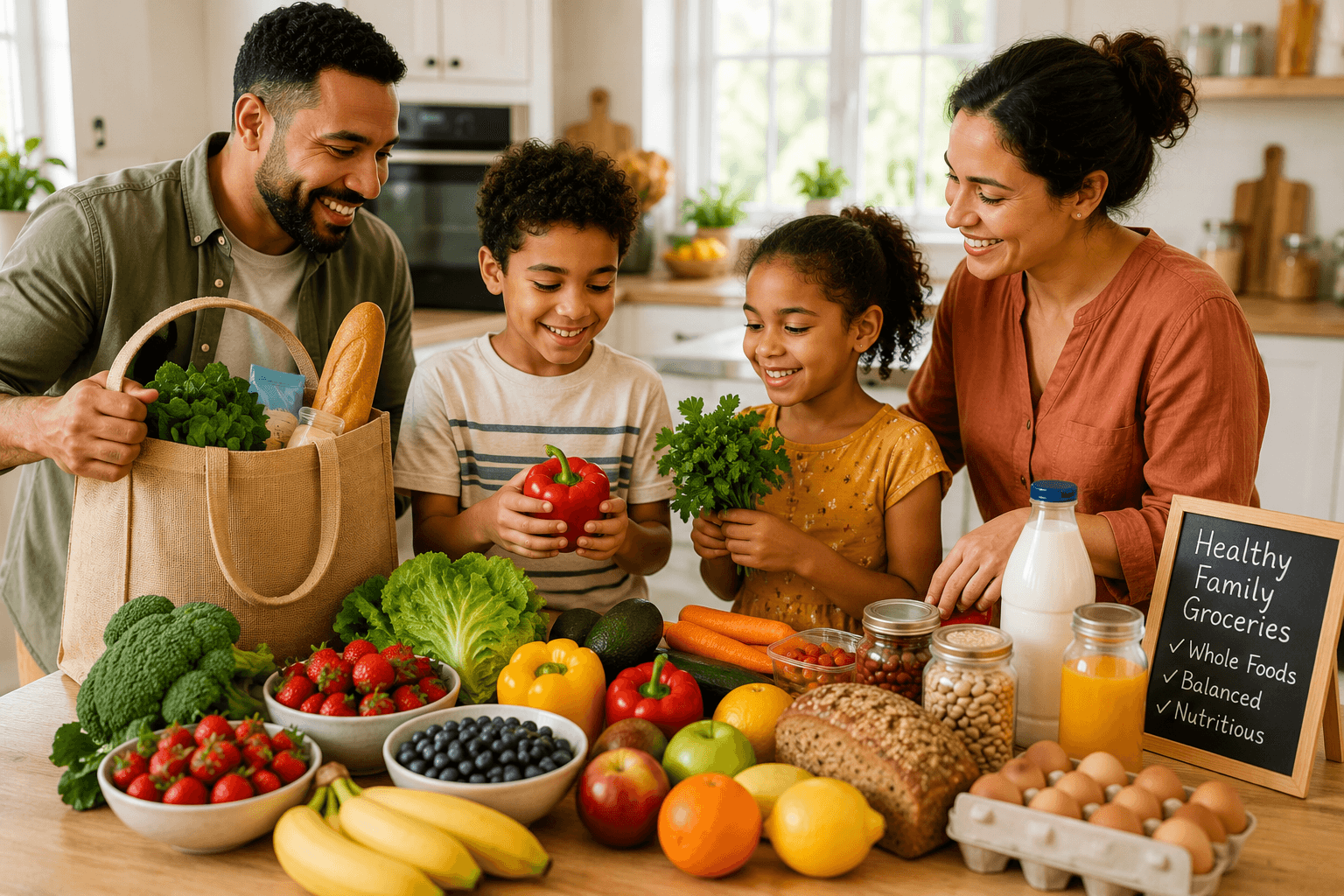
Healthy Grocery List for Families
Estimated reading time: 10–12 minutes
A healthy diet starts long before mealtime—it begins at the grocery store. The foods you bring home shape your family’s daily eating habits, making grocery shopping one of the most important steps in supporting children’s health.
With so many products competing for attention, it’s easy to feel overwhelmed. Colorful packaging, health claims, and convenience foods can make it difficult to know what truly belongs in a nutritious family shopping cart.
The good news is that healthy grocery shopping doesn’t have to be complicated or expensive. By focusing on whole, minimally processed foods and planning ahead, families can build balanced meals while staying within their budget.
In this evidence-based guide, you’ll discover exactly what to include on a healthy family grocery list, how to shop smarter, and practical tips that make healthy eating easier throughout the week. This article is part of our Complete Guide to Kids’ Nutrition.
Why a Healthy Grocery List Matters
The foods available at home strongly influence what children eat every day.
A well-planned grocery list can help families build balanced, nutritious meals, reduce impulse purchases, limit highly processed foods, save money by avoiding unnecessary items, reduce food waste, and make healthy choices easier during busy weekdays.
Healthy eating isn’t about perfection—it’s about consistently making better choices over time.
Before You Go Shopping
A few minutes of preparation can save both time and money.
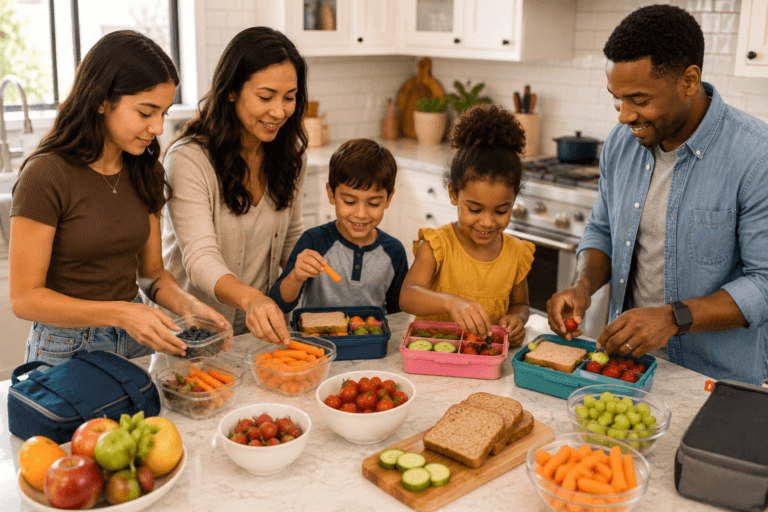
Before heading to the store: check what you already have at home, plan meals for the coming week, make a shopping list, avoid shopping when you’re hungry, and set a realistic grocery budget.
Planning ahead helps families buy what they truly need instead of making impulse purchases.
Healthy Grocery List for Families
Fresh Fruits
Aim to include a variety of colorful fruits throughout the week. Good choices include apples, bananas, oranges, berries, pears, grapes, peaches, kiwi, avocados, and seasonal fruits.
Whenever possible, choose whole fruit instead of fruit juice to provide more fiber and promote better fullness — see Best High-Fiber Foods for Kids.
Vegetables
Vegetables provide fiber, vitamins, minerals, and antioxidants that support healthy growth. Keep a variety on hand, such as broccoli, carrots, bell peppers, cucumbers, tomatoes, spinach, lettuce, sweet potatoes, green beans, and frozen mixed vegetables (without added sauces).
Fresh and frozen vegetables are both nutritious options.
Whole Grains
Choose whole grains more often than refined grains. Examples include oats, brown rice, whole-wheat bread, whole-grain pasta, quinoa, whole-grain tortillas, plain popcorn (for older children), and whole-grain breakfast cereals with minimal added sugar.
Whole grains provide fiber that supports healthy digestion and helps children stay satisfied between meals.
Lean Protein Foods
Protein supports children’s growth, muscles, and overall development. Include foods such as chicken, turkey, fish, eggs, lean beef, beans, lentils, chickpeas, tofu, and plain Greek yogurt.
Aim for a variety of animal and plant-based protein sources throughout the week — see Best High-Protein Foods for Kids.
Dairy and Fortified Alternatives
Dairy foods provide calcium, protein, and other nutrients that support growing bones and teeth. Healthy choices include low-fat or whole milk (based on your child’s age and healthcare provider’s guidance), plain yogurt, Greek yogurt, cheese, fortified unsweetened soy milk, and fortified plant-based yogurt (when appropriate).
Choose products with little or no added sugar whenever possible.
Healthy Fats
Healthy fats are an important part of children’s diets and support brain development. Keep these nutritious options in your kitchen: olive oil, avocados, natural peanut butter (age-appropriate), almond butter, walnuts, almonds, chia seeds, flaxseeds, and pumpkin seeds.
Nuts and seeds are among the high-risk choking foods best kept from children until age 4 or older, depending on each child’s development and maturity.
Healthy Snacks
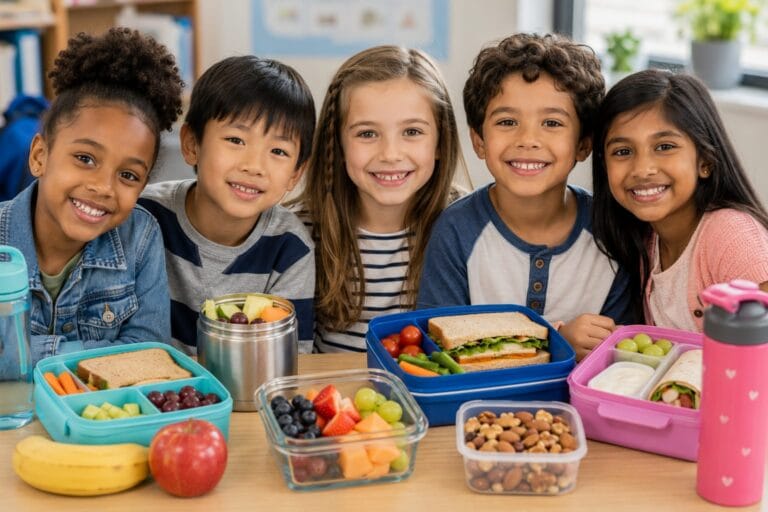
Nutritious snacks help children stay energized between meals. Consider adding fresh fruit, baby carrots, cucumber slices, cheese sticks, plain yogurt, hard-boiled eggs, whole-grain crackers, hummus, unsalted nuts (for older children), and air-popped popcorn (for older children). For more ideas, see Healthy Snacks for Kids: 25 Nutritious Snack Ideas.
Drinks
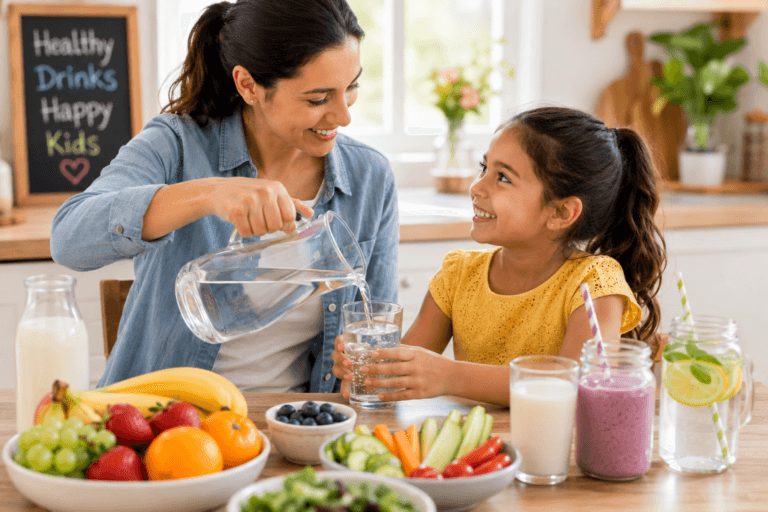
The healthiest beverages are usually the simplest. Stock your home with water, milk, fortified unsweetened soy milk, and sparkling water (for older children, if appropriate).
Limit soda, energy drinks, sports drinks, sweetened fruit drinks, and sugary coffee beverages. For a full breakdown, see Healthy Drinks for Kids: Best & Worst Choices.
Foods to Limit
No food needs to be completely forbidden, but some products are best enjoyed only occasionally. Examples include sugar-sweetened beverages, candy, chips, cookies, highly processed snack foods, sugary breakfast cereals, and packaged desserts.
Instead of focusing on restriction, aim to build a shopping cart filled mostly with nutrient-dense foods.
Budget-Friendly Grocery Shopping Tips
Healthy eating doesn’t have to be expensive. Try these strategies: buy seasonal produce, choose frozen fruits and vegetables, purchase dried beans and lentils, compare unit prices, buy store brands when available, plan meals around weekly sales, and freeze leftovers to reduce food waste.
Small savings add up over time without sacrificing nutrition.
How to Read Food Labels While Shopping
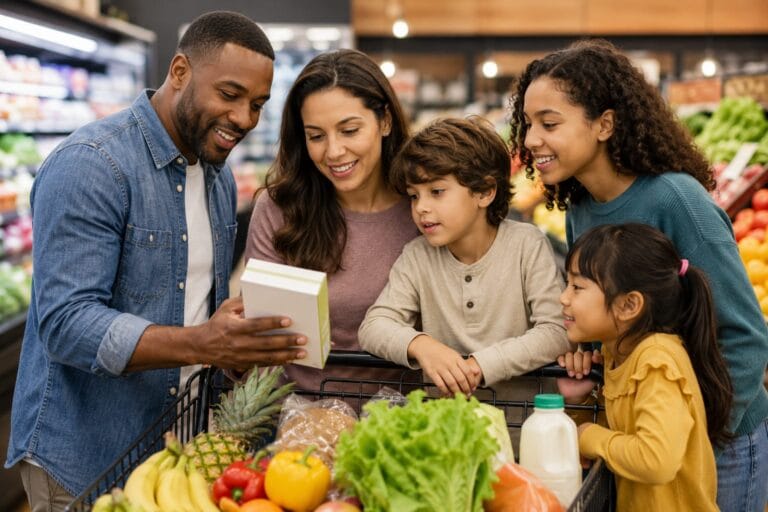
Nutrition labels can help families make informed choices. When comparing products, look for short ingredient lists, whole grains listed first, higher fiber content, lower added sugar, moderate sodium levels, and minimal saturated fat.
Remember that front-of-package marketing claims don’t always reflect the overall nutritional quality of a product — see our full guide on How to Read Nutrition Labels for Kids’ Foods.
Grocery Shopping Tips for Picky Eaters
Children are more likely to try healthy foods when they feel involved. Consider letting your child choose one new fruit or vegetable each week, offering familiar foods alongside new options, avoiding pressuring children to eat, involving kids in meal planning, and allowing children to help prepare simple meals.
Patience and repeated exposure often work better than forcing children to eat unfamiliar foods.
Healthy Grocery Checklist
Use this checklist as a simple guide during your weekly grocery trip.
| Category | Examples |
|---|---|
| Fruits | Apples, bananas, berries, oranges, pears |
| Vegetables | Broccoli, carrots, spinach, peppers, cucumbers |
| Whole Grains | Oats, brown rice, whole-wheat bread, quinoa |
| Protein | Chicken, eggs, beans, lentils, fish, tofu |
| Dairy | Milk, plain yogurt, cheese |
| Healthy Fats | Olive oil, avocado, nuts, seeds (for children age 4 or older, depending on development and maturity) |
| Drinks | Water, milk, fortified soy milk |
You can also print or save this list on your phone to make grocery shopping easier.
Sample One-Week Grocery List
Here’s an example of a balanced grocery list for one week.
Produce
Apples, bananas, blueberries, oranges, broccoli, spinach, carrots, bell peppers, cucumbers, sweet potatoes.
Protein
Chicken breast, eggs, Greek yogurt, canned tuna, black beans, lentils.
Whole Grains
Oatmeal, brown rice, whole-wheat bread, whole-grain pasta.
Healthy Fats
Olive oil, peanut butter, chia seeds.
Dairy
Milk, cheese.
Frequently Asked Questions
What should always be on a healthy grocery list?
A healthy grocery list should include fruits, vegetables, whole grains, lean proteins, dairy or fortified alternatives, and healthy fats.
How can I save money while buying healthy food?
Buy seasonal produce, choose frozen fruits and vegetables, compare prices, buy store brands, and plan meals before shopping.
Is frozen produce healthy?
Yes. Frozen fruits and vegetables are usually picked at peak ripeness and retain many of their nutrients.
Should I avoid all processed foods?
No. Some minimally processed foods, such as frozen vegetables, canned beans (low sodium), plain yogurt, and oats, can be part of a healthy diet.
How can I encourage my child to eat healthier?
Offer a variety of nutritious foods, involve your child in grocery shopping and meal preparation, and be patient with new foods.
Key Takeaways
- Healthy grocery shopping begins with planning.
- Fill your cart with mostly whole, minimally processed foods.
- Include fruits, vegetables, whole grains, lean proteins, healthy fats, and dairy or fortified alternatives.
- Read nutrition labels instead of relying on marketing claims.
- Small, consistent grocery choices can lead to healthier family eating habits over time.
Continue Reading
- The Ultimate Guide to Kids’ Nutrition (Complete Guide)
- Healthy Drinks for Kids: Best & Worst Choices
- Best High-Fiber Foods for Kids
- Best High-Protein Foods for Kids by Age
- Healthy Snacks for Kids: 25 Nutritious Snack Ideas Parents Will Love
- Best Healthy School Lunch Ideas Kids Will Actually Eat (Science-Based Guide)
- Are Kids’ Vitamins Really Necessary?
- How to Read Nutrition Labels for Kids’ Foods
References
This article is based on recommendations from:
- American Academy of Pediatrics (AAP)
- U.S. Department of Agriculture (USDA)
- Centers for Disease Control and Prevention (CDC)
- Academy of Nutrition and Dietetics
- World Health Organization (WHO)
Because nutrition guidance may change over time, consult your child’s pediatrician or a registered dietitian for personalized advice.