Healthy Drinks for Kids: Best & Worst Choices
Estimated reading time: 10–12 minutes
Choosing healthy drinks for children may seem simple, but supermarket shelves are filled with beverages marketed as “natural,” “vitamin-enriched,” or “made with real fruit.” These claims can make it difficult for parents to know which drinks truly support a child’s health.
The good news is that most children don’t need fancy beverages. In fact, the healthiest choices are often the simplest. Water and milk provide the hydration and nutrients that growing bodies need, while sugary drinks can contribute to excess calorie intake, tooth decay, and poor overall diet quality.
Healthy drinking habits established during childhood can last a lifetime. By offering nutritious beverages early and limiting sugar-sweetened drinks, parents can help support healthy growth, strong bones, good dental health, and proper hydration.
In this evidence-based guide, you’ll learn which drinks are best for children at different ages, which beverages should be limited, and practical strategies to help kids choose healthier drinks every day. This article is part of our Complete Guide to Kids’ Nutrition.
Note: This article is for educational purposes and does not replace medical advice. If your child has persistent vomiting, severe diarrhea, signs of dehydration, or a medical condition affecting fluid balance, consult your pediatrician promptly.
Why Hydration Matters for Kids
Water is essential for every system in the body. Children are especially vulnerable to dehydration because they are more active, have smaller bodies than adults, and may not always recognize when they’re thirsty.
Proper hydration helps regulate body temperature, support brain function and concentration, transport nutrients throughout the body, keep joints lubricated, aid digestion, prevent constipation, and support physical activity and sports performance.
Even mild dehydration may affect a child’s mood, energy level, and ability to focus at school.
How Much Fluid Do Children Need?
Fluid needs vary depending on age, activity level, weather, and overall health.
| Age | Recommended Daily Fluids* |
|---|---|
| 1–3 years | About 4 cups (0.9–1.0 L) |
| 4–8 years | About 5 cups (1.2 L) |
| 9–13 years | About 7–8 cups (1.6–1.9 L) |
| 14–18 years | About 8–11 cups (1.9–2.6 L) |
*Fluids come from both beverages and water-rich foods such as fruits and vegetables.
Children who are very active, exercising in hot weather, or recovering from illness may need additional fluids.
At a Glance: Which Drinks Are Best?
| Drink | Best Choice? | Notes |
|---|---|---|
| Water | ✅ Yes | Best everyday drink |
| Milk | ✅ Yes | Protein and calcium |
| Fortified Soy Milk | ✅ Yes | Good dairy alternative |
| 100% Fruit Juice | ⚠️ In moderation | Prefer whole fruit |
| Sports Drinks | ❌ Usually unnecessary | Only for prolonged intense exercise |
| Soda | ❌ Limit | High in added sugar |
| Energy Drinks | 🚫 Avoid | Not recommended for children |
The Best Healthy Drinks for Kids
1. Water
Water is the best drink for most children. It contains no added sugar, no calories, and keeps the body properly hydrated.
Encourage children to drink water with meals, between snacks, before, during, and after physical activity, and throughout the school day.
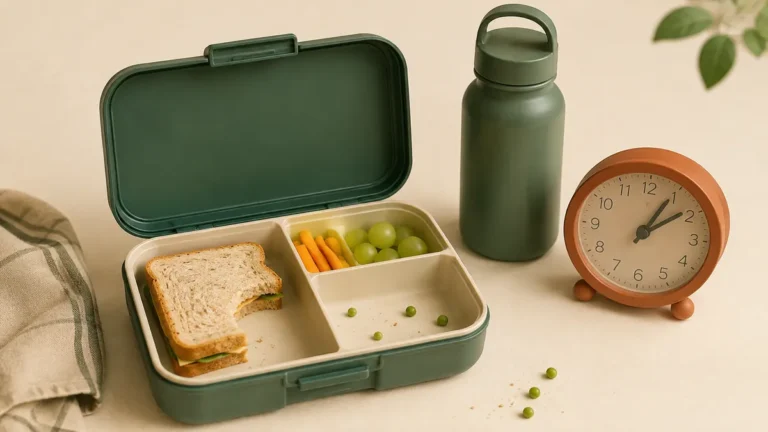
Keeping a reusable water bottle nearby makes healthy hydration easier.
2. Milk
Milk provides high-quality protein, calcium, vitamin D (when fortified), vitamin B12, and potassium. These nutrients help support healthy bones, teeth, and growth — see our guide on Best High-Protein Foods for Kids for more protein-rich options.
Choose age-appropriate milk based on your pediatrician’s recommendations and your child’s nutritional needs.
3. Fortified Soy Milk
For children who cannot drink cow’s milk because of an allergy, lactose intolerance, or a family preference, fortified, unsweetened soy milk is generally the closest plant-based alternative in terms of protein content.
Many fortified soy milk products provide protein, calcium, vitamin D, and vitamin B12.
Choose products labeled unsweetened whenever possible, and check that they are fortified with calcium and vitamin D.
4. 100% Fruit Juice
Small amounts of 100% fruit juice can fit into a healthy diet, but whole fruit is usually the better choice because it contains more fiber and helps children feel full.
If you choose to serve juice, follow your pediatrician’s guidance on age-appropriate portions and avoid fruit drinks with added sugar.
5. Smoothies
Homemade smoothies can be a nutritious option when prepared with whole ingredients.
A balanced smoothie may include plain yogurt or milk, fresh or frozen fruit, spinach or kale, oats, and nut butter (when age-appropriate).
Remember that smoothies should complement meals, not replace whole fruits and vegetables on a regular basis. Whole fruits contain fiber that helps children feel full and supports healthy digestion.
Drinks to Limit
Some beverages provide little nutritional value and may contain large amounts of added sugar or caffeine.
| Drink Type | Why to Limit | Better Alternative |
|---|---|---|
| Soda | High in added sugar; linked to tooth decay, excess calorie intake, and increased risk of overweight and obesity | Water or sparkling water with fruit |
| Sports Drinks | Generally unnecessary for everyday activity; intended for prolonged, vigorous exercise over an hour | Water for everyday play and school sports |
| Energy Drinks | High caffeine, added sugar, and herbal stimulants that can affect sleep, heart rate, and concentration | Water or milk |
| Sweetened Fruit Drinks | Often contain only a small amount of real juice with significant added sugar | 100% fruit juice in moderation, or whole fruit |
| Sweetened Coffee & Tea Drinks | May contain caffeine and added sugar not appropriate for children | Water or plain milk |
Read nutrition labels carefully, as packaging can be misleading — see our guide on How to Read Nutrition Labels for Kids’ Foods.
10 Healthy Drink Ideas for Kids
Looking for simple alternatives to sugary drinks? Try these ideas:
- Cold water with orange slices.
- Water infused with strawberries and mint.
- Plain milk with breakfast.
- Unsweetened fortified soy milk.
- Homemade fruit smoothie.
- Sparkling water with fresh fruit (for older children, if appropriate).
- Watermelon smoothie made without added sugar.
- Chilled cucumber-infused water.
- Plain yogurt smoothie with berries.
- Ice water with lemon slices.
These options help children stay hydrated without relying on sugary beverages. Pair them with nutritious snacks — see Healthy Snacks for Kids: 25 Nutritious Snack Ideas.
Signs of Dehydration in Children
Mild dehydration can develop quickly, especially during hot weather or physical activity.
| Mild Dehydration Signs | Seek Medical Care Immediately |
|---|---|
| Dry mouth or lips | Extreme sleepiness or confusion |
| Dark yellow urine | Inability to keep fluids down |
| Urinating less often | Very little or no urine output |
| Headache, fatigue, dizziness | Rapid heartbeat or sunken eyes |
| Irritability, reduced energy, unusual thirst | No tears when crying (infants/young children) |
Seek medical advice promptly if your child shows any signs of severe dehydration.
Tips to Help Kids Drink More Water
Healthy hydration habits are easier to build when water is easily available and encouraged throughout the day.
Try these simple strategies: give your child a reusable water bottle, offer water with every meal and snack, keep cold water available in the refrigerator, add slices of fruit for natural flavor, be a role model by drinking water yourself, encourage water after outdoor play and sports, make water the default drink at family meals, and avoid keeping sugary drinks in the house.
Small daily habits often make the biggest difference over time.
Quick Tips for Parents
- Make water the first choice at meals.
- Carry a reusable water bottle during outings.
- Offer fruit instead of sugary drinks.
- Limit sweet beverages to special occasions.
- Be a role model by choosing water yourself.
Key Takeaways
- Water is the healthiest drink for most children.
- Milk provides important nutrients that support growth and bone health.
- Fortified unsweetened soy milk is an appropriate alternative for many children who cannot drink cow’s milk.
- Limit sugary drinks, sports drinks, energy drinks, and sweetened beverages.
- Healthy hydration supports learning, physical activity, digestion, and overall well-being.
Frequently Asked Questions
What is the healthiest drink for kids?
Water is the healthiest everyday drink for most children. Milk is also an important source of nutrients such as calcium, protein, and vitamin D.
Is 100% fruit juice healthy?
Small amounts of 100% fruit juice can fit into a balanced diet, but whole fruit is usually the better choice because it provides more fiber and helps children feel fuller.
Do children need sports drinks?
Usually not. Water is sufficient for most children’s daily activities and recreational sports.
Are energy drinks safe for kids?
No. Energy drinks are not recommended for children because they may contain high amounts of caffeine and other stimulants.
How can I encourage my child to drink more water?
Offer water regularly, use a fun reusable bottle, add slices of fruit for flavor, and make water the standard beverage at meals and snacks.
Continue Reading
- The Ultimate Guide to Kids’ Nutrition (Complete Guide)
- Best High-Protein Foods for Kids: Healthy Choices for Every Age
- Iron Deficiency in Kids: Signs, Causes, Treatment, and the Best Iron-Rich Foods
- Healthy Snacks for Kids: 25 Nutritious Snack Ideas Parents Will Love
- Best Healthy School Lunch Ideas Kids Will Actually Eat (Science-Based Guide)
- How to Read Nutrition Labels for Kids’ Foods
- Kids’ Immune System Foods
References
This article is based on recommendations from:
- American Academy of Pediatrics (AAP)
- Centers for Disease Control and Prevention (CDC)
- U.S. Department of Agriculture (USDA)
- Academy of Nutrition and Dietetics
- World Health Organization (WHO)
Because nutrition recommendations may evolve over time, consult your child’s pediatrician or a registered dietitian for personalized advice.