15 Active Indoor Games for Kids to Burn Energy at Home
Rainy day, restless kids? 15 active indoor games for kids — from Freeze Dance to tape hopscotch — with ages, space needed, and simple safety tips.
Children’s physical activity is often discussed as though it means organised sport. For most children, most of the time, it doesn’t — everyday movement and unstructured play do more, and are far easier to sustain. Why Free Play Is More Powerful Than Organized Exercise makes the case directly. Unstructured play combines physical movement with decision-making, problem-solving, imagination, and social negotiation, and the developmental research supports treating it as more than filler between scheduled activities. For days when outdoor play isn’t an option, 15 Active Indoor Games for Kids turns the same idea into ready-to-play games, sorted by age, space, and energy level. For adolescents, the strongest argument for movement often isn’t physical at all. Exercise & Teen Mental Health examines physical activity as one of the better-supported and lowest-cost supports for teenage wellbeing — a more persuasive angle, for most teenagers, than fitness itself. This is our smallest section and it is still growing. In the meantime, the closely related material sits elsewhere: play and boredom are covered in Mental Wellness, and adolescent guidance in Teen Health. Educational content only. Children with medical conditions, injuries, or physical limitations should get individual guidance from a healthcare professional.
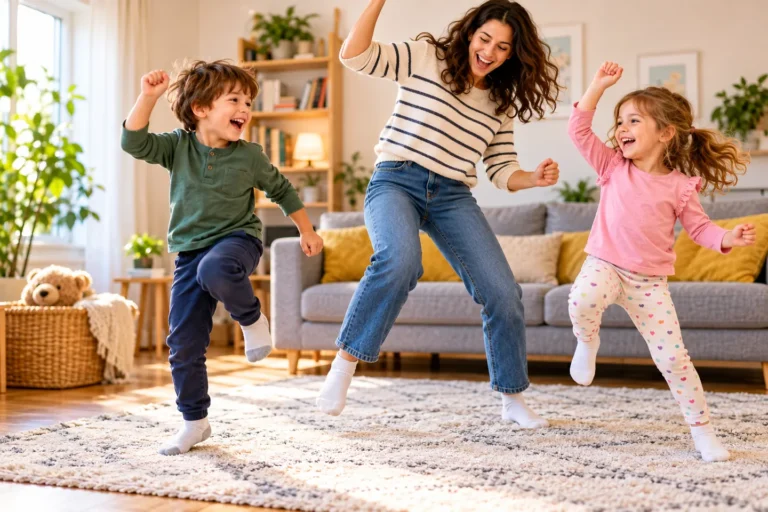
Rainy day, restless kids? 15 active indoor games for kids — from Freeze Dance to tape hopscotch — with ages, space needed, and simple safety tips.

Getting a teenager off the couch and moving can feel like an uphill battle, especially with homework, screens, and social pressures competing for their time. Yet regular physical activity is about far more than fitness or athletic performance — it’s one of the most effective, affordable, and research-supported ways to protect a teenager’s mental health….
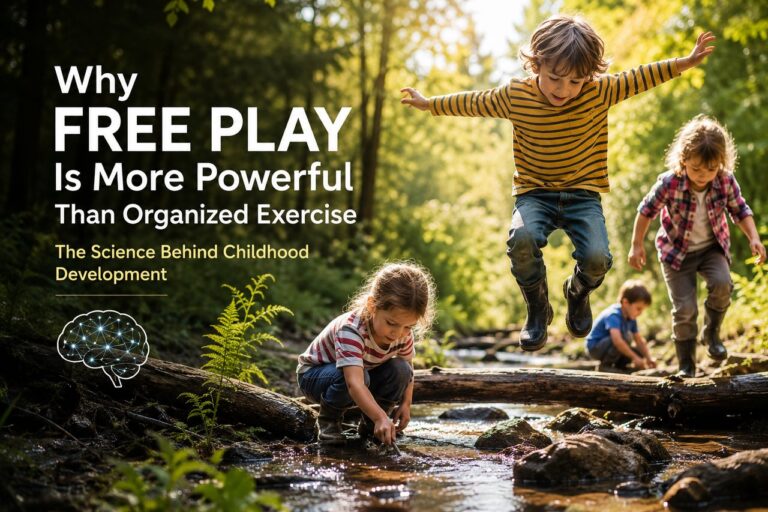
What research actually supports about unstructured free play for children — where the evidence is solid, where it is only suggestive, and what parents can do this week.