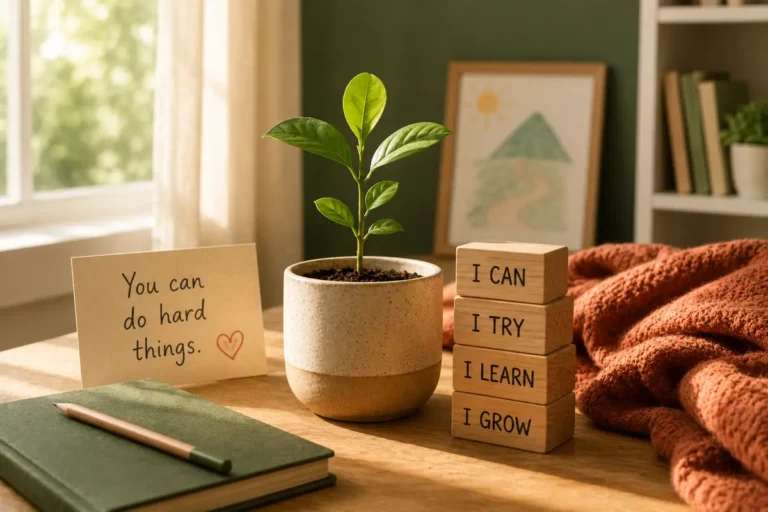
How Stress Affects Your Child’s Brain
Quick Answer: Stress is a normal part of childhood, and not all stress is harmful. In fact, small, manageable challenges help children develop confidence and resilience. However, when stress becomes intense, frequent, or prolonged without adequate emotional support, it can interfere with brain development, learning, emotional regulation, and overall well-being. The good news is that supportive relationships and healthy daily routines can help protect a child’s developing brain.
At a Glance
- Not all stress is harmful—some stress helps children grow.
- A child’s brain is especially sensitive to long-term or overwhelming stress.
- Safe, supportive relationships help buffer the effects of stress.
- Healthy sleep, physical activity, nutrition, and predictable routines promote resilience.
- Parents don’t need to eliminate every challenge—they need to help children navigate them.
- Building resilience is one of the most important gifts parents can give their children.
Key Facts
| Fact | Why It Matters |
|---|---|
| Children’s brains continue developing into early adulthood. | Early experiences influence how brain circuits develop. |
| Positive stress can strengthen coping skills. | Small challenges teach children how to solve problems. |
| Chronic stress may affect learning, attention, memory, and emotional regulation. | Long-term activation of the stress response can influence developing brain networks. |
| Caring, responsive adults help reduce the impact of stress. | Strong relationships are one of the greatest protective factors for healthy development. |
| Healthy daily habits support resilience. | Sleep, movement, nutrition, and emotional connection help children recover from stress. |
Why Every Parent Should Understand Stress
Every child experiences stress. Starting a new school, taking a test, making new friends, moving to a different neighborhood, losing a pet, or facing family changes can all trigger emotional stress. These experiences are part of growing up and, in many cases, help children become stronger and more adaptable.
The problem isn’t stress itself. The real concern is how much stress a child experiences, how long it lasts, and whether they have supportive adults to help them cope.
Children’s brains are still developing. During childhood, billions of neural connections are strengthened, refined, or removed based on everyday experiences. This remarkable process allows children to learn language, solve problems, regulate emotions, and build healthy relationships.
Because the brain is developing so rapidly, it is also more responsive to the environment—both positive and negative. Supportive experiences strengthen healthy brain development. Persistent, unmanaged stress can make it more difficult for children to learn, focus, and regulate emotions over time.
Fortunately, research shows that parents and caregivers have tremendous power to reduce these effects through everyday interactions.
🧠 Science Says: According to the Harvard Center on the Developing Child, supportive relationships with caring adults are among the most effective protective factors that help children manage stress and build resilience throughout life.
What Happens in the Brain During Stress?
Stress begins in the brain. When the brain detects a challenge or potential threat, it activates the body’s stress response system. Within seconds, heart rate increases, breathing becomes faster, and stress hormones such as cortisol and adrenaline are released as the body prepares to respond.
This response is completely normal. It helps children react quickly during difficult situations, whether speaking in front of classmates, avoiding danger, or solving a challenging problem. After the situation passes, the body’s stress response should gradually return to normal.
Problems arise when the stress response stays activated for long periods without enough opportunities to recover.
Not All Stress Is Bad
One of the biggest misconceptions is that children should never experience stress. In reality, experts describe three different types of stress.
| Type of Stress | Description | Examples |
|---|---|---|
| Positive Stress | Brief, manageable, and occurs in a supportive environment. Helps children develop confidence, independence, and problem-solving skills. | Starting the first day of school, learning to ride a bicycle, performing in a school play, taking a difficult exam, meeting new classmates |
| Tolerable Stress | Involves more significant challenges. With stable, supportive adults, children often recover well and continue healthy development. | A serious illness, divorce within the family, the loss of a loved one, recovering from a natural disaster |
| Toxic Stress | Occurs when children experience severe or prolonged adversity without consistent emotional support, which may influence healthy brain development if not addressed. | Ongoing neglect, chronic exposure to violence, persistent severe family instability |
It’s important to remember that not every stressful event becomes toxic stress. The presence of caring, responsive adults often makes the biggest difference.
Myth vs. Fact
| Myth | Fact |
|---|---|
| All stress is harmful for children. | Moderate challenges help children build resilience and confidence. |
| Good parents should prevent all stress. | Parents should help children cope with challenges rather than remove every obstacle. |
| Stress only affects emotions. | Stress can also influence learning, attention, sleep, and physical health. |
| Strong children don’t get stressed. | Every child experiences stress differently. |
| Resilience is something children are born with. | Resilience develops through supportive relationships and life experiences. |
Why Children’s Brains Are More Sensitive
A child’s brain is not simply a smaller version of an adult brain. It is constantly changing. During childhood, brain connections that are used frequently become stronger, while those that are rarely used gradually disappear. Scientists call this process synaptic pruning, and it helps the brain become more efficient.
At the same time, areas responsible for emotional regulation, attention, memory, and decision-making continue maturing over many years.
Because these systems are still developing, repeated exposure to overwhelming stress can make it more difficult for children to concentrate, manage emotions, and respond calmly to everyday challenges.
Fortunately, the opposite is also true. Positive experiences—such as warm conversations, consistent routines, active play, quality sleep, and nurturing relationships—help strengthen healthy brain development every single day.
How Chronic Stress Can Affect Brain Development
When stress becomes frequent or lasts for a long time without enough emotional support, the brain’s stress response system may remain activated longer than intended.
Researchers have found that prolonged exposure to stress hormones—particularly cortisol—can influence the development of brain regions involved in learning, memory, attention, and emotional regulation.
This doesn’t mean that everyday stress permanently damages a child’s brain. Instead, it highlights why supportive relationships and healthy coping strategies are so important during childhood. The brain remains remarkably adaptable throughout life, especially during childhood, meaning positive experiences can strengthen healthy development even after difficult periods.
Three Brain Areas Influenced by Stress
| Brain Area | Role | How Stress Affects It |
|---|---|---|
| Amygdala (Alarm System) | Detects potential threats and drives emotional responses such as fear, worry, and anxiety. | Becomes more reactive with prolonged stress, leading to increased irritability, stronger emotional reactions, and feeling overwhelmed by minor problems. |
| Hippocampus (Learning & Memory) | Helps children learn new information and form memories. | Long-term, unmanaged stress may cause difficulty remembering instructions, trouble learning new concepts, and reduced concentration during lessons. |
| Prefrontal Cortex (Decision-Making & Self-Control) | Helps children plan ahead, solve problems, control impulses, focus attention, and manage emotions. | Under stress, these skills become harder to use, making emotional reactions more likely than calm, thought-out responses. |
A sensitive amygdala isn’t a sign that a child is “weak,” and forgetfulness or distraction under stress doesn’t mean a child is lazy or unmotivated — these are simply part of how the developing brain responds to ongoing stress.
🔬 Science Says: Neuroscience research shows that supportive caregiving can help regulate children’s stress responses. Warm, responsive relationships don’t eliminate stressful events, but they help children recover more effectively and strengthen resilience over time.
Signs Stress May Be Affecting Your Child
Every child responds differently to stress. Some children become quiet and withdrawn, while others become more active or emotional. Rather than looking for one obvious symptom, pay attention to patterns that persist over time.
| Category | Signs to Watch For |
|---|---|
| Emotional | Increased irritability, frequent crying, mood swings, anxiety or excessive worrying, fearfulness, low frustration tolerance |
| Behavioral | Anger outbursts, withdrawal from family or friends, avoiding school, changes in play behavior, difficulty following routines, increased clinginess |
| Cognitive | Trouble concentrating, forgetfulness, difficulty making decisions, declining school performance, easily distracted |
| Physical | Headaches, stomachaches, changes in appetite, sleep difficulties, fatigue, muscle tension |
These symptoms can have many possible causes, which is why persistent concerns should always be discussed with a qualified healthcare professional.
Everyday Sources of Stress Children Experience
Parents often think major life events are the only causes of stress. In reality, children may experience stress from many everyday situations, including academic pressure, friendship conflicts, bullying, overscheduled routines, lack of sleep, family arguments, moving house, social media exposure, excessive screen time, major life transitions, financial stress within the family, and high expectations.
Sometimes several smaller stressors combine to create one overwhelming experience.
Healthy Stress vs. Harmful Stress
| Healthy, Temporary Stress | Ongoing, Unmanaged Stress |
|---|---|
| Short-lived | Lasts for weeks or months |
| Child feels supported | Child feels alone |
| Builds confidence | Increases anxiety |
| Encourages learning | Makes learning harder |
| Ends after the challenge | Continues without recovery |
| Promotes resilience | May interfere with emotional regulation |
How Stress Can Affect Learning
Teachers often notice the effects of stress before parents do. A child who previously enjoyed learning may suddenly forget homework, lose focus during class, have trouble following directions, become frustrated more easily, or avoid challenging tasks.
This doesn’t necessarily mean the child isn’t trying. Stress consumes mental resources that would otherwise be available for attention, memory, and problem-solving.
Helping children feel emotionally safe often improves learning more effectively than increasing academic pressure.
Why Relationships Matter So Much
One of the strongest findings in child development research is that relationships shape resilience. Children don’t need perfect parents. They need adults who are emotionally available, consistent, supportive, patient, and responsive.
Even brief moments of connection—such as reading together, talking after school, eating meals as a family, or listening without judgment—help children feel safe. Feeling safe allows the brain to shift from survival mode back into learning mode.
What Parents Can Do to Help Reduce Stress
The goal of parenting isn’t to eliminate every source of stress. Instead, it’s to help children develop the skills and confidence to manage life’s challenges in healthy ways. Research consistently shows that everyday interactions with caring adults play a powerful role in building resilience.
1. Build Predictable Daily Routines
Children feel safer when they know what to expect. Predictable routines reduce uncertainty, which helps lower stress levels and supports emotional regulation. Simple routines include a consistent bedtime, regular family meals, homework at the same time each day, morning routines before school, and quiet time before bed. Routines don’t need to be rigid—they simply provide stability.
👨👩👧 Parent Tip: If your child is going through a stressful period, avoid changing too many routines at once. Familiar daily habits provide a sense of security during times of uncertainty.
2. Prioritize Healthy Sleep
Sleep is one of the brain’s most important recovery tools. During sleep, the brain processes memories, regulates emotions, and prepares for learning the next day. Children who don’t get enough sleep may be more likely to experience irritability, difficulty concentrating, emotional outbursts, and increased stress sensitivity.
Healthy sleep habits include consistent bedtimes, a relaxing bedtime routine, limiting screens before bed, and a cool, quiet, dark bedroom. For a full step-by-step guide, see our article on The Best Bedtime Routine for Children.
3. Encourage Active Play and Physical Activity
Movement benefits both the body and the brain. Physical activity helps regulate stress hormones while improving mood, attention, and sleep quality. Children don’t need intense workouts—simple activities like bike rides, outdoor games, playground time, dancing, walking the dog, or family hikes work well. The goal is regular movement, not perfection.
4. Make Time for Unstructured Play
Children don’t learn resilience only through structured lessons. Free play allows them to solve problems independently, practice creativity, build confidence, develop emotional regulation, and strengthen social skills. A schedule filled with constant activities can sometimes increase stress rather than reduce it. Learn more in our guide on why free play is more powerful than organized exercise for children’s development.
5. Teach Healthy Emotional Vocabulary
Children cannot manage emotions they don’t understand. Instead of saying “Stop crying,” try “It looks like you’re feeling frustrated.” Helping children name emotions supports emotional regulation because it teaches them to recognize what they’re experiencing. Useful emotion words include worried, nervous, excited, frustrated, embarrassed, proud, disappointed, and calm. Over time, emotional vocabulary becomes a valuable coping tool. See our full guide on raising emotionally intelligent kids.
6. Listen Before Solving
Parents naturally want to fix problems. However, children often need empathy before advice. Instead of immediately offering solutions, try asking “What happened?”, “How did that make you feel?”, “What do you think might help?”, or “Would you like advice or just someone to listen?” Feeling heard reduces emotional stress more effectively than rushing to solve every problem.
💡 Did You Know? Children learn how to respond to stress by watching the adults around them. Calm, supportive parenting helps children develop healthier coping skills over time.
Nutrition and Stress: Is There a Connection?
Food doesn’t eliminate stress. However, a balanced diet supports healthy brain function and overall well-being. Children benefit from regular meals that include fruits, vegetables, whole grains, lean proteins, and healthy fats.
Skipping meals or relying heavily on highly processed foods may contribute to fluctuations in energy and mood throughout the day. Rather than focusing on individual “superfoods,” aim for a balanced eating pattern over time.
Screen Time and Stress
Technology can both help and increase stress. Educational content, video calls with loved ones, and creative activities can be positive experiences. However, excessive recreational screen time may contribute to poor sleep, reduced physical activity, less face-to-face interaction, and increased exposure to stressful online content.
Creating screen-free family routines—such as meals, outdoor activities, or bedtime—helps children maintain a healthier balance. For practical strategies, see 7 Ways to Reduce Screen Time Without the Battles.
School Stress: Helping Children Feel Supported
School is one of the most common sources of childhood stress. Pressure may come from tests, homework, social relationships, bullying, new teachers, or academic expectations.
Parents can help by focusing on effort rather than perfection. Instead of asking “Did you get an A?”, try asking “What did you learn today?”, “What was the best part of school?”, or “Was anything difficult today?” These conversations encourage a growth mindset and reduce fear of making mistakes.
Building Resilience Takes Time
Resilience isn’t something children either have or don’t have. It’s a skill that develops gradually through everyday experiences. Children become more resilient when they feel loved and accepted, solve age-appropriate problems, learn from mistakes, practice coping skills, experience supportive relationships, and develop confidence through challenges.
Parents don’t need to remove every obstacle. Helping children navigate challenges is often more valuable than preventing them.
Daily Habits That Support a Healthy Brain
| Daily Habit | Brain Benefit |
|---|---|
| Consistent sleep | Supports memory, attention, and emotional regulation |
| Physical activity | Helps regulate stress hormones and improve mood |
| Family meals | Strengthens emotional connection and healthy eating habits |
| Reading together | Builds language, attention, and emotional security |
| Outdoor play | Encourages creativity, movement, and stress recovery |
| Predictable routines | Creates a sense of safety and stability |
| Open conversations | Helps children process emotions and solve problems |
Parent Checklist
Use this checklist to help support your child’s emotional well-being.
- ☐ My child has a predictable daily routine.
- ☐ We spend one-on-one time together most days.
- ☐ My child gets enough sleep for their age.
- ☐ We encourage active play every week.
- ☐ My child feels comfortable talking about emotions.
- ☐ We focus on effort rather than perfection.
- ☐ Our family has screen-free time every day.
- ☐ I listen before trying to solve my child’s problems.
Even small, consistent habits can make a meaningful difference over time.
Frequently Asked Questions
Is stress always bad for children?
No. Stress is a normal part of life, and not all stress is harmful. Short-term, manageable challenges—such as starting school, learning a new skill, or preparing for a performance—can help children build confidence, problem-solving abilities, and resilience. Stress becomes more concerning when it is severe, frequent, or prolonged without enough emotional support.
Can stress affect my child’s ability to learn?
Yes. Ongoing stress can make it harder for children to concentrate, remember information, solve problems, and stay engaged in learning. Supporting a child’s emotional well-being is an important part of helping them succeed academically.
What are the most common signs of stress in children?
Stress doesn’t look the same in every child, but common signs include irritability or frequent mood changes, trouble sleeping, difficulty concentrating, headaches or stomachaches, changes in appetite, withdrawal from family or friends, increased clinginess, and declining school performance. If these changes persist or interfere with daily life, parents should consult a qualified healthcare professional.
Can too much screen time increase stress?
Research suggests that excessive recreational screen time may contribute to poor sleep, reduced physical activity, and increased exposure to stressful online experiences. Maintaining healthy screen habits and balancing technology with outdoor play, family time, and physical activity can support children’s overall well-being.
How can I help my child become more resilient?
Resilience develops through supportive relationships and everyday experiences. Parents can encourage resilience by listening without judgment, maintaining predictable routines, encouraging problem-solving, praising effort rather than perfection, helping children identify and express emotions, and providing opportunities to practice independence. Resilience grows gradually—it isn’t something children are simply born with.
Does family stress affect children even if they don’t talk about it?
Yes. Children are often aware of tension within the family, even when adults believe they are shielding them from it. Calm communication, emotional reassurance, and stable routines can help children feel safe during difficult times.
Can healthy habits reduce the effects of stress?
Healthy habits cannot eliminate stressful situations, but they help children recover more effectively. Regular sleep, balanced nutrition, physical activity, outdoor play, and strong family relationships all support healthy brain development and emotional well-being.
When should parents seek professional help?
Parents should consider speaking with a healthcare professional if stress-related behaviors become severe, last for several weeks, interfere with school or relationships, or if a child seems persistently anxious, withdrawn, or overwhelmed. Early support can make a meaningful difference.
Key Takeaways
- Stress is a normal part of childhood, and manageable challenges help children build resilience.
- Long-lasting or overwhelming stress without adequate support may affect learning, attention, memory, and emotional regulation.
- Caring relationships with parents and other trusted adults are among the strongest protective factors for healthy brain development.
- Healthy sleep, physical activity, balanced nutrition, free play, and predictable routines help children recover from everyday stress.
- Teaching children to recognize and express their emotions supports lifelong coping skills.
- Parents do not need to remove every challenge from a child’s life—helping children navigate challenges is often more beneficial.
- Small, consistent daily habits can have a lasting positive impact on a child’s developing brain.
Final Thoughts
Every child will experience stress at some point. Whether it’s a difficult homework assignment, a disagreement with a friend, or adjusting to a new school, challenges are a natural part of growing up.
The goal isn’t to create a completely stress-free childhood. Instead, it’s to provide children with the tools, support, and confidence they need to face life’s challenges in healthy ways.
Parents have more influence than they often realize. Simple, everyday actions—listening carefully, maintaining routines, encouraging active play, sharing family meals, and offering reassurance—help children feel safe and supported. Over time, these experiences strengthen the brain’s ability to manage stress and adapt to change.
Remember that resilience isn’t built in a single day. It’s developed through hundreds of small moments of connection, encouragement, and learning. By creating a nurturing environment where children feel heard, valued, and loved, parents lay the foundation for healthy brain development and lifelong emotional well-being.
Continue Reading
- How to Build Resilience in Children: A Parent’s Guide
- Why Free Play Is More Powerful Than Organized Exercise for Children’s Development
- Raising Emotionally Intelligent Kids: What Neuroscience Actually Recommends
- 7 Ways to Reduce Screen Time Without the Battles (Backed by Science)
- The Best Bedtime Routine for Children — What Neuroscience Actually Recommends
- Exercise & Teen Mental Health
- The Gut-Brain-Skin Connection in Adolescents: What the Science Reveals
- Teen Sleep
- 10 Simple Healthy Habits for Kids That Science Actually Supports
References
- American Academy of Pediatrics (AAP). HealthyChildren.org: Mental and Emotional Health.
- Centers for Disease Control and Prevention (CDC). Child Development.
- Harvard University. Center on the Developing Child – Toxic Stress.
- National Institute of Mental Health (NIMH). Children and Mental Health.
- National Institutes of Health (NIH). Brain Development and Early Childhood.
- World Health Organization (WHO). Mental Health and Well-Being.
- American Psychological Association (APA). Stress in Children.
- UNICEF. Supporting Children’s Mental Health and Psychosocial Well-Being.
This article is for informational purposes only and is not a substitute for professional medical or psychological advice. If you have concerns about your child’s emotional well-being, please consult a qualified healthcare provider.