Best High-Protein Foods for Kids by Age
Estimated reading time: 10–12 minutes
Protein is one of the most important nutrients for growing children. From building muscles and supporting healthy bones to producing enzymes, hormones, and antibodies, protein plays a role in nearly every part of a child’s growth and development.
Fortunately, most healthy children who eat a varied diet get enough protein without the need for special foods or supplements. However, many parents still wonder whether their child is eating enough protein, which foods are the healthiest sources, and how to include more protein in everyday meals.
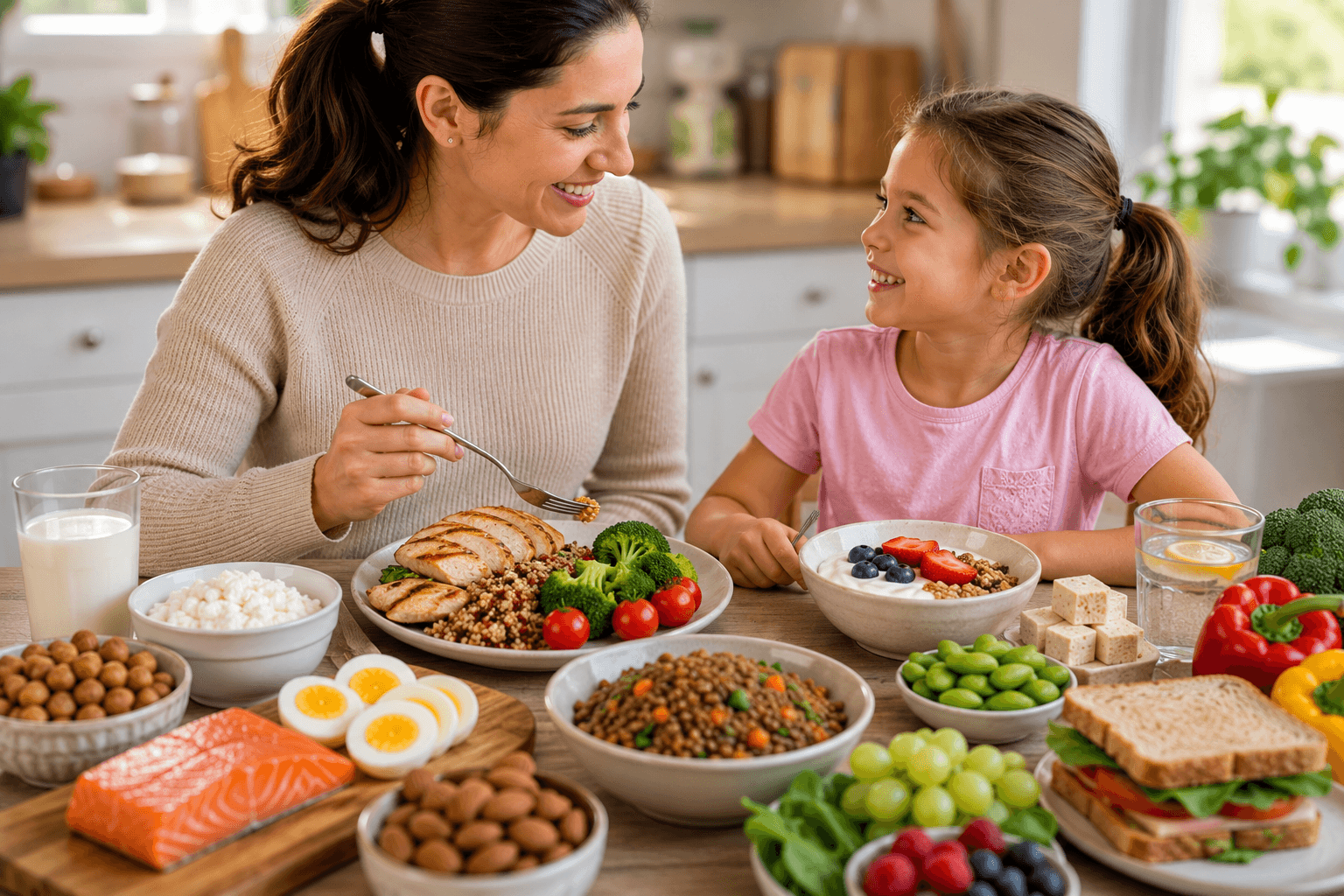
The good news is that protein can come from both animal and plant foods. Lean meats, fish, eggs, dairy products, beans, lentils, tofu, and nuts (when age-appropriate and safely served) all contribute to a balanced diet.
In this evidence-based guide, you’ll learn why protein matters, how much children need at different ages, the best high-protein foods for kids, and simple meal ideas that make healthy eating easier for the whole family. This article is part of our Complete Guide to Kids’ Nutrition.
Why Is Protein Important for Kids?
Protein is made up of amino acids, often called the building blocks of the body. During childhood, these building blocks are essential because children are constantly growing and developing.
Protein helps build and repair muscles, skin, and other body tissues; support healthy bone growth; produce enzymes and hormones; strengthen the immune system; support healthy brain development; promote wound healing; and help children stay full and satisfied after meals.
Protein works together with other nutrients—including healthy fats, carbohydrates, vitamins, and minerals—to support overall health. No single nutrient can do the job alone, which is why a balanced diet is so important.
How Much Protein Do Kids Need?
Children’s protein needs increase as they grow, but the amount required is often lower than many parents expect.
| Age | Recommended Daily Protein |
|---|---|
| 1–3 years | 13 g |
| 4–8 years | 19 g |
| 9–13 years | 34 g |
| 14–18 years (Girls) | 46 g |
| 14–18 years (Boys) | 52 g |
These recommendations represent average daily needs for healthy children. Individual requirements may vary depending on activity level, growth, and certain medical conditions.
Most children who eat regular meals containing a variety of protein-rich foods meet these recommendations naturally.
Protein by Age Group
Protein needs rise steadily from the toddler years through adolescence, but what changes with age is not only the amount — it is the form of the food, and how protein fits into the day. For guidance on how much food makes an age-appropriate portion, see Portion Sizes for Kids by Age.
Toddlers: Focus on Texture and Safe Forms
At this stage the practical question is less which protein foods exist and more which forms a toddler can manage. Softened or mashed lentils, tender finely shredded chicken, and smooth plain Greek yogurt each provide protein in textures suited to early eating.
School-Age Kids: Make Protein Part of Familiar Meals
School-age children usually accept a wider range of foods, so the practical goal shifts to including protein in meals they already eat — beans folded into a quesadilla, chicken in a familiar wrap, yogurt alongside a usual breakfast. This keeps protein part of the meal rather than a separate “health food.”
Teens: Meet Needs Through Meals First
Protein needs are highest during adolescence — 46 g a day for girls and 52 g for boys aged 14–18, as noted above. Meals and snacks spread across the day cover this for most teens. Whether protein powders or supplements are necessary is a common question at this age, and it is covered in the sections on protein supplements below.
What Makes a Good Protein Source?
Not all protein-rich foods provide the same overall nutritional value. The healthiest choices are foods that provide protein along with other important nutrients, such as iron, calcium, vitamin B12, zinc, healthy fats, or fiber.
For example, Greek yogurt provides protein and calcium, salmon provides protein and heart-healthy omega-3 fats, beans provide protein, fiber, and iron, eggs provide protein, choline, and several vitamins, and lentils provide protein, folate, and potassium.
Choosing minimally processed foods most of the time helps children receive a wider range of nutrients than relying on processed protein products.
25 Best High-Protein Foods for Kids
| Food | Reference serving | Protein / 100 g | Protein / reference serving |
|---|---|---|---|
| Egg | 1 large egg (50 g) | 12.4 g | 6.2 g |
| Greek yogurt | 1 cup (245 g) | 8.78 g | 21.5 g |
| Chicken breast | ½ breast (86 g) | 31.0 g | 26.7 g |
| Lentils | 1 cup (198 g) | 9.02 g | 17.9 g |
| Chickpeas | 1 cup (164 g) | 8.86 g | 14.5 g |
| Peanut butter | 2 tbsp (32 g) | 24.0 g | 7.7 g |
Source note: Protein values per 100 g are from USDA FoodData Central. Reference serving weights are editorial comparison amounts, not child-serving recommendations from USDA; protein per reference serving is calculated from the USDA value and the stated serving weight. (accessed September 2026)
Animal-Based Protein Sources
1. Eggs
Eggs are one of the most nutritious and affordable sources of high-quality protein. They also provide choline for brain development, vitamin D, vitamin B12, and selenium. Serve eggs boiled, scrambled, or in vegetable omelets for a balanced meal.
2. Greek Yogurt
Plain Greek yogurt contains more protein than regular yogurt and is an excellent source of calcium. Top it with fresh berries, sliced bananas, or oats instead of sugary toppings.
3. Chicken
Skinless chicken is a lean source of complete protein. It works well in sandwiches, wraps, soups, salads, and pasta dishes.
4. Turkey
Turkey provides high-quality protein while being naturally low in saturated fat. It’s an excellent option for homemade burgers, meatballs, and sandwiches.
5. Salmon
Salmon is rich in protein and omega-3 fatty acids, which support brain and eye development. Aim to include oily fish in family meals according to your pediatrician’s and local dietary guidance.
6. Lean Beef
Lean beef supplies protein together with iron, zinc, and vitamin B12, making it especially valuable for growing children — see our guide on Iron Deficiency in Kids. Choose lean cuts and serve with vegetables and whole grains for a balanced meal.
7. Cottage Cheese
Cottage cheese is naturally rich in protein and calcium, making it a nutritious snack or breakfast option. Serve it with fresh fruit, whole-grain toast, cucumber slices, or cherry tomatoes. Choose lower-sodium varieties when available.
8. Tuna
Tuna provides high-quality protein and important nutrients, including vitamin D and selenium. For younger children, choose lower-mercury options and follow local recommendations on fish intake.
9. Milk
Milk contributes protein, calcium, vitamin D (when fortified), and several B vitamins. Offer age-appropriate servings as part of a balanced diet rather than relying on milk as the primary source of nutrition.
10. Cheese
Cheese contains protein and calcium but may also be high in sodium and saturated fat. Enjoy it in moderation alongside whole-grain crackers, fruit, or vegetables.
Plant-Based Protein Sources
Plant proteins provide not only protein but also fiber, vitamins, minerals, and beneficial plant compounds.
11. Lentils
Lentils are among the best plant sources of protein. They also provide iron, fiber, folate, and potassium. They work well in soups, stews, salads, and pasta sauces.
12. Chickpeas
Chickpeas are versatile and kid-friendly. Try serving them as homemade hummus, roasted chickpeas, added to salads, or mixed into pasta dishes.
13. Black Beans
Black beans are rich in protein and fiber, helping children stay satisfied for longer. Use them in tacos, burritos, soups, or rice bowls.
14. Kidney Beans
Kidney beans provide protein, iron, and fiber. They are an excellent addition to chili, soups, and mixed bean salads.
15. Edamame
Edamame (young soybeans) is a complete plant protein. Serve cooked edamame as a snack or add it to stir-fries and grain bowls.
16. Tofu
Tofu absorbs flavors well and can be baked, grilled, sautéed, or blended into smoothies. It provides complete protein while being naturally cholesterol-free.
17. Tempeh
Tempeh is another soy-based protein that offers protein, fiber, and minerals. Its firm texture makes it a good substitute for meat in many recipes.
18. Quinoa
Unlike most grains, quinoa contains all nine essential amino acids. It also provides fiber, magnesium, iron, and manganese. Serve quinoa instead of white rice for extra nutrition.
19. Oats
Although oats are not extremely high in protein, they contribute meaningful amounts while also providing soluble fiber. Pair oatmeal with Greek yogurt, milk, or nut butter for a more protein-rich breakfast.
20. Peanut Butter
Peanut butter contains protein and healthy unsaturated fats. Spread it on whole-grain toast or serve it with apple slices or banana. Always consider your child’s age and allergy status. For young children, spread peanut butter thinly rather than serving it in thick chunks, which are a choking hazard.
21. Almond Butter
Almond butter is another nutritious spread that provides protein, vitamin E, and healthy fats. Choose products without added sugar whenever possible.
22. Pumpkin Seeds
Pumpkin seeds contain protein, iron, magnesium, and healthy fats. Nuts and seeds are among the high-risk choking foods best kept from children until age 4 or older, depending on each child’s development and maturity.
23. Chia Seeds
Chia seeds provide small amounts of protein together with fiber and omega-3 fats. Mix them into yogurt, oatmeal, or smoothies.
24. Hemp Seeds
Hemp seeds are naturally rich in protein and healthy fats. Sprinkle them over cereal, yogurt, or salads for an easy nutritional boost.
25. Fortified Soy Milk
For children who do not drink cow’s milk, fortified soy milk is the plant-based beverage most closely matched in protein content. Choose unsweetened, calcium- and vitamin D-fortified varieties when appropriate.
Animal Protein vs. Plant Protein
Both animal and plant foods can support healthy growth.
| Animal Protein | Plant Protein |
|---|---|
| Complete protein | Some are complete, while others are complemented by a varied diet |
| Naturally rich in vitamin B12 | Naturally high in fiber |
| Often provides highly absorbable iron | Usually lower in saturated fat |
| Includes fish, poultry, eggs, dairy, and lean meat | Includes beans, lentils, tofu, soy foods, nuts, seeds, and whole grains |
For most families, including a variety of both animal and plant protein sources provides excellent nutrition.
Easy High-Protein Breakfast Ideas
Busy mornings don’t have to mean low-protein breakfasts. Try Greek yogurt with berries and oats, scrambled eggs with whole-grain toast, peanut butter and banana on whole-grain bread, cottage cheese with fresh fruit, oatmeal made with milk and topped with pumpkin seeds, or a smoothie with Greek yogurt, fruit, and spinach.
Healthy High-Protein Lunch Ideas
Balanced lunches help children stay energized throughout the school day. Ideas include a turkey and cheese whole-grain sandwich, chicken wrap with vegetables, bean and cheese quesadilla, lentil soup with whole-grain bread, tuna salad with whole-grain crackers, or quinoa salad with chickpeas and vegetables. For more lunchbox inspiration, see Best Healthy School Lunch Ideas Kids Will Actually Eat.
High-Protein Snacks Kids Will Love
Protein-rich snacks can help bridge the gap between meals. Healthy options include Greek yogurt, cheese cubes, boiled eggs, roasted chickpeas, hummus with vegetables, cottage cheese, trail mix (for older children), apple slices with peanut butter, edamame, and homemade protein muffins made with oats and eggs. For even more ideas, see Healthy Snacks for Kids: 25 Nutritious Snack Ideas.
Can Kids Eat Too Much Protein?
For most healthy children, eating a balanced diet does not lead to excessive protein intake. However, more protein is not always better.
Very high-protein diets or unnecessary protein supplements are generally not recommended for children unless advised by a healthcare professional. Growing children need a balanced intake of carbohydrates, healthy fats, vitamins, minerals, and fiber in addition to protein.
Excessive reliance on protein powders, shakes, or heavily processed “high-protein” products may replace other nutrient-rich foods, increase added sugar or sodium intake depending on the product, provide more calories than a child needs, and create unrealistic expectations about nutrition and fitness.
For most children, whole foods remain the healthiest and safest way to meet daily protein needs.
Do Kids Need Protein Supplements?
In most cases, no. Healthy children who eat a varied diet usually get enough protein from everyday foods.
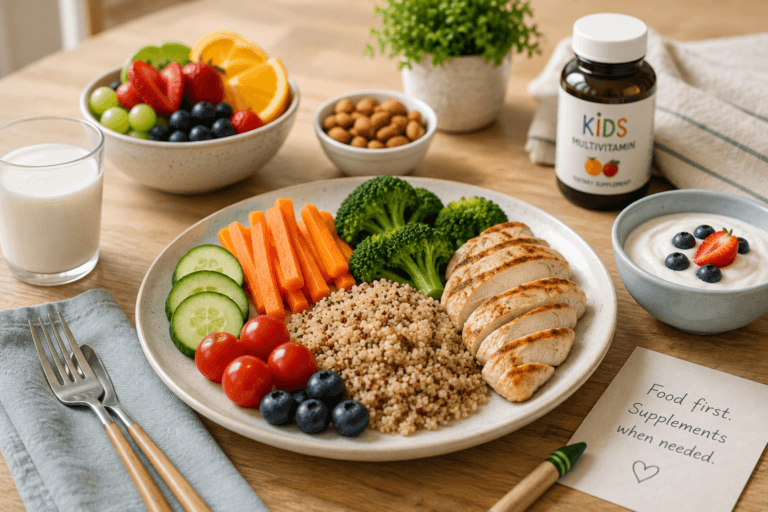
Protein powders, shakes, and bars are generally unnecessary unless they are specifically recommended by a pediatrician or registered dietitian for a medical condition or nutritional concern.
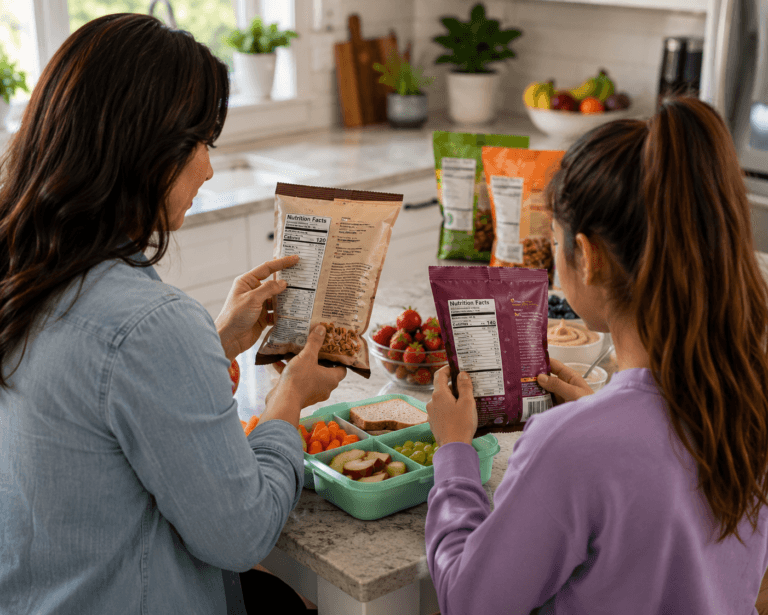
Instead of supplements, focus on offering balanced meals that include lean proteins, whole grains, fruits, vegetables, dairy or fortified alternatives, and healthy fats. Reading labels carefully also helps — see our guide on How to Read Nutrition Labels for Kids’ Foods.
A food-first approach provides protein along with many other essential nutrients that supplements cannot fully replace.
When Should You Talk to Your Pediatrician?
Speak with your child’s healthcare provider if your child has poor growth or unexpected weight loss, eats a very limited or restrictive diet, frequently refuses protein-rich foods, has food allergies that make protein choices difficult, follows a vegetarian or vegan diet and you’re unsure whether nutritional needs are being met, has a medical condition affecting digestion or nutrient absorption, or seems unusually tired, weak, or has concerns about growth or development.
A pediatrician or registered dietitian can evaluate your child’s overall diet and determine whether any changes are needed.
Frequently Asked Questions
What is the healthiest protein for kids?
There isn’t a single “best” protein. Children benefit from a variety of nutritious protein sources, including eggs, fish, chicken, beans, lentils, Greek yogurt, tofu, and lean meats.
How much protein does a child need each day?
Protein needs depend on age and stage of growth. Most healthy children meet their daily needs through regular meals and snacks without needing supplements.
Are eggs good for kids?
Yes. Eggs provide high-quality protein along with choline, vitamin B12, selenium, and other nutrients that support healthy growth and brain development.
Can vegetarian children get enough protein?
Yes. With thoughtful meal planning, vegetarian diets can provide enough protein through foods such as beans, lentils, soy products, dairy, eggs (if included), nuts, seeds, and whole grains.
Are protein shakes safe for children?
Most healthy children do not need protein shakes. Whole foods are generally the preferred source of protein unless a healthcare professional recommends otherwise.
Key Takeaways
- Protein supports growth, muscle development, immune function, and overall health.
- Most children meet their protein needs through a balanced diet.
- Include a variety of both animal and plant protein sources whenever possible.
- Whole foods provide protein together with vitamins, minerals, healthy fats, and fiber.
- Protein supplements are rarely necessary for healthy children.
- If you have concerns about your child’s diet or growth, seek advice from a qualified healthcare professional.
Continue Reading
- The Ultimate Guide to Kids’ Nutrition (Complete Guide)
- Iron Deficiency in Kids: Signs, Causes, Treatment, and the Best Iron-Rich Foods
- Healthy Snacks for Kids: 25 Nutritious Snack Ideas Parents Will Love
- Best Healthy School Lunch Ideas Kids Will Actually Eat (Science-Based Guide)
- Kids’ Immune System Foods
- How to Read Nutrition Labels for Kids’ Foods
References
This article is based on guidance from trusted health organizations and nutrition experts, including:
- American Academy of Pediatrics (AAP)
- U.S. Department of Agriculture (USDA)
- National Institutes of Health – Office of Dietary Supplements (NIH ODS)
- Academy of Nutrition and Dietetics
- World Health Organization (WHO)
Because nutrition recommendations may evolve over time, consult your child’s pediatrician or a registered dietitian for personalized advice.