Diet & Teen Acne
If your teenager is battling breakouts despite a solid skincare routine, the missing piece might not be on their bathroom shelf — it could be on their plate. Research increasingly points to diet as a real, measurable factor in teen acne, working alongside the hormonal shifts we covered in our guide to acne and hormones. Here’s what the science actually says.
Not every teenager will notice the same dietary triggers. Acne is shaped by genetics, hormones, skincare habits, stress, and diet together — not food alone. Diet is one piece of the puzzle, not a cure.
The Diet-Acne Connection: What Changed the Conversation
For decades, dermatologists dismissed the idea that food affects acne. That’s shifted. Multiple studies now link certain eating patterns to acne severity, particularly through two mechanisms: blood sugar spikes and dairy consumption. Neither causes acne on its own, but both can amplify the hormonal acne triggers already at play during the teen years.
1. High-Glycemic Foods and Insulin Spikes
White bread, sugary cereals, chips, and soda cause rapid blood sugar spikes. This triggers a surge in insulin, which in turn increases androgen hormones and a growth factor called IGF-1 — both known to boost oil production and skin cell turnover, two of the core ingredients in clogged pores and breakouts.
What this means practically: swapping refined carbs for whole grains, legumes, and vegetables — foods that release sugar slowly — can help stabilize the hormonal cascade that feeds acne.
2. Dairy, Especially Skim Milk
Several studies have found a link between milk consumption — particularly skim milk — and acne in teens. The leading theory involves hormones naturally present in milk (even in small amounts) that may increase IGF-1 signaling and stimulate oil production in susceptible individuals. This doesn’t mean all dairy is off-limits, but teens with persistent acne may benefit from noticing whether their breakouts correlate with dairy intake.
3. Omega-3s and Anti-Inflammatory Foods
Acne is a multifactorial skin condition with inflammation playing a central role, alongside excess oil production, clogged pores, and the bacteria Cutibacterium acnes. Diets rich in omega-3 fatty acids (salmon, sardines, walnuts, chia seeds, and flaxseed) and antioxidants (berries, leafy greens, beans, and colorful vegetables) have been associated with reduced acne severity in several studies. These foods don’t replace treatment, but they support the skin’s ability to manage inflammation from the inside.
What About Chocolate?
This is the question every parent eventually hears. The research is mixed: dark chocolate on its own hasn’t been consistently shown to cause acne. The bigger culprits are the sugar and milk that come packaged with most chocolate products — the same high-glycemic and dairy pathways already discussed above. A small square of dark chocolate is unlikely to trigger a breakout; a sugary, milk-heavy candy bar is a different story.
What About Whey Protein Supplements?
Whey protein is popular among teen athletes, and some notice their skin worsening after starting it. Research is still developing, but the leading theory again involves hormone-like compounds and amino acids in whey that can stimulate oil glands. If a teen’s acne flares after starting a whey supplement, dermatologists sometimes recommend a several-week pause to see if skin improves before drawing conclusions.
What This Looks Like at the Family Dinner Table
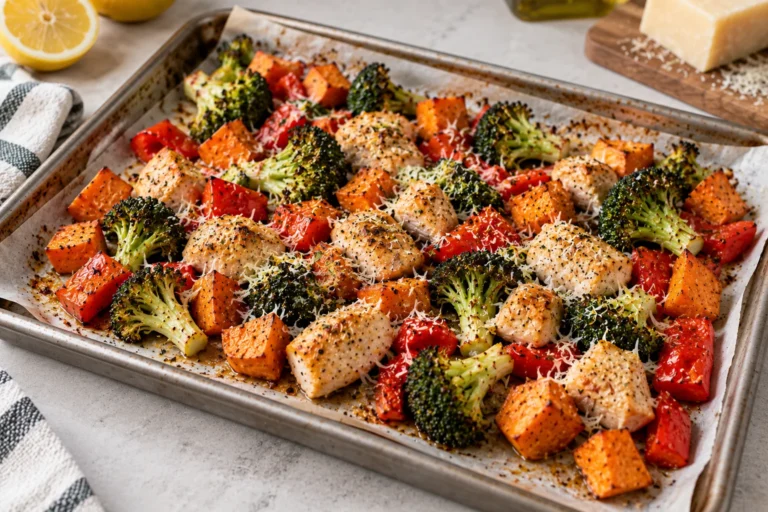
- Swap white rice and white bread for brown rice, quinoa, or whole-grain options a few nights a week
- Keep sugary drinks and snacks as occasional treats rather than daily staples
- Add a fatty fish like salmon to the weekly rotation
- Watch skim milk intake if breakouts are persistent, and see if a temporary reduction makes a difference over 4-6 weeks
- Load up on colorful vegetables and berries — inflammation-fighting antioxidants
| Instead of | Try |
|---|---|
| White bread | Whole grain bread |
| Soda | Water or sparkling water |
| Sugary cereal | Oatmeal |
| Chips | Nuts or roasted chickpeas |
| Ice cream | Greek yogurt (if tolerated) |
Most dietary changes take about 6 to 12 weeks before any noticeable improvement appears, since skin needs time to move through several renewal cycles. Patience matters here more than perfection.
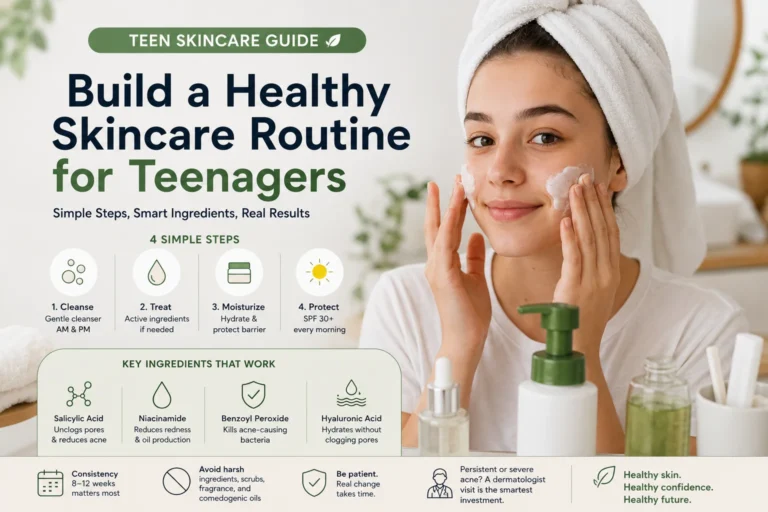
None of this replaces a dermatologist’s guidance for moderate to severe acne. But for many teens, small, sustainable shifts in diet — paired with the skincare fundamentals in our teen skincare routine guide — can meaningfully calm breakouts over time.
The Bigger Picture: Gut, Hormones, and Skin
Diet’s effect on acne doesn’t happen in isolation — it’s part of the same gut-hormone-skin axis we explored in our piece on the gut-brain-skin connection.
Still have questions? Here are some of the most common concerns parents ask about diet and teen acne.
Frequently Asked Questions
Does sugar cause acne?
Sugar itself doesn’t directly cause acne, but high-sugar foods spike insulin, which can increase the hormones and oil production that lead to breakouts.
Is dairy bad for everyone with acne?
No. Some teens are more sensitive to dairy’s effect on skin than others. It’s worth noticing patterns rather than eliminating dairy for every teen by default.
How long does it take for diet changes to help acne?
Typically 6 to 12 weeks, since skin cell turnover happens gradually. Short-term experiments rarely show reliable results.
Should teens cut out dairy completely?
Not necessarily. A supervised trial reduction, rather than complete elimination, is usually enough to see if dairy is a personal trigger.
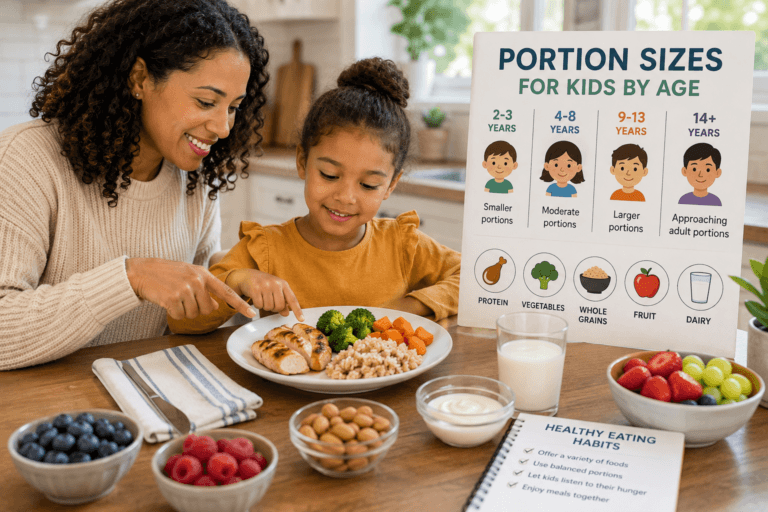
For families, the goal isn’t a perfect diet — it’s building eating habits that support overall health while giving the skin its best chance to heal.