Healthy Breakfast for Teenagers: 15 Nutritious Ideas to Boost Energy, Focus, and Growth
Teenagers have unique nutritional needs. During adolescence, the body grows rapidly, the brain develops, and daily energy demands increase. Yet many teens skip breakfast because of busy schedules, lack of appetite, or simply not knowing what to eat.
Unfortunately, missing breakfast can affect concentration, mood, and energy levels throughout the day. A balanced morning meal provides essential nutrients that help support learning, physical activity, and healthy growth.
In this guide, you’ll discover why breakfast matters, what makes a healthy breakfast, and 15 simple breakfast ideas that teenagers will actually enjoy.
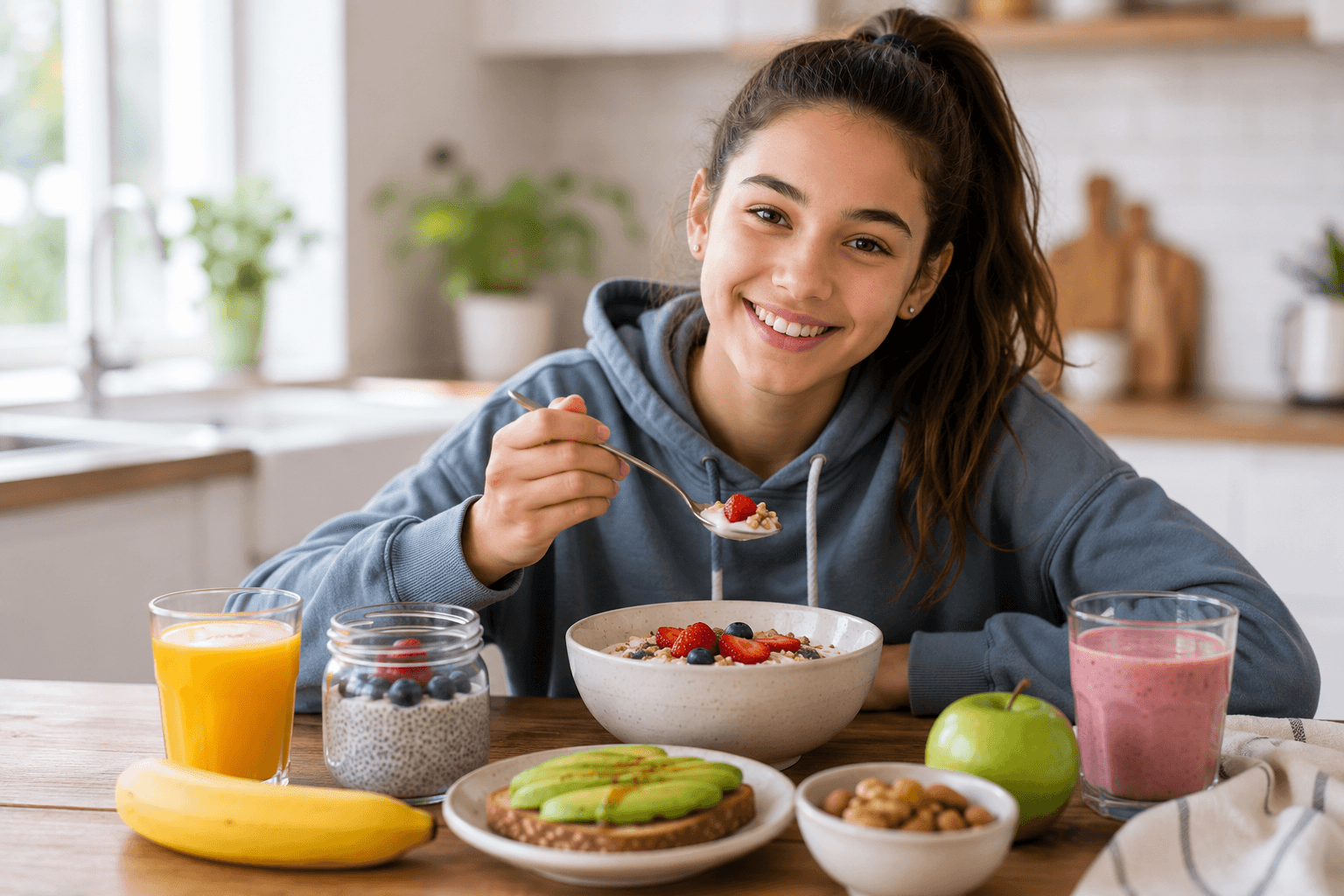
Why Breakfast Matters for Teenagers
Supports Healthy Growth
The teenage years are a period of rapid physical development. Bones, muscles, and organs all require protein, calcium, vitamins, minerals, and healthy fats to grow properly. A nutritious breakfast helps provide many of these nutrients early in the day.
Improves Concentration at School
Breakfast supplies glucose, the brain’s primary source of energy. Eating a balanced meal before school may help teenagers stay focused, solve problems more effectively, and maintain attention during lessons.
Provides Steady Energy
Highly processed sugary breakfasts often lead to energy crashes later in the morning. A combination of protein, fiber, and healthy fats releases energy more gradually, helping teens stay energized until lunchtime.
Helps Maintain a Healthy Weight
Skipping breakfast doesn’t necessarily reduce calorie intake. In many cases, it increases hunger later in the day, leading to overeating or unhealthy snacking. A balanced breakfast can promote better appetite regulation.
What Makes a Healthy Breakfast?
A healthy breakfast should include several important nutrients. Teenagers generally need more energy and protein than younger children to support growth spurts, so breakfast portions can be somewhat larger.
Protein
Protein supports muscle growth, keeps teenagers feeling full longer, and stabilizes blood sugar. Good sources include:
- Eggs
- Greek yogurt
- Cottage cheese
- Milk
- Peanut butter
- Nuts
- Seeds
Whole Grains
Whole grains provide complex carbohydrates that release energy slowly. Examples:
- Oatmeal
- Whole wheat bread
- Whole grain cereal
- Brown rice cakes
Healthy Fats
Healthy fats help brain development and improve satiety. Choose:
- Avocados
- Nuts
- Nut butter
- Seeds
Fruits and Vegetables
Adding colorful fruits or vegetables increases fiber, antioxidants, and essential vitamins.
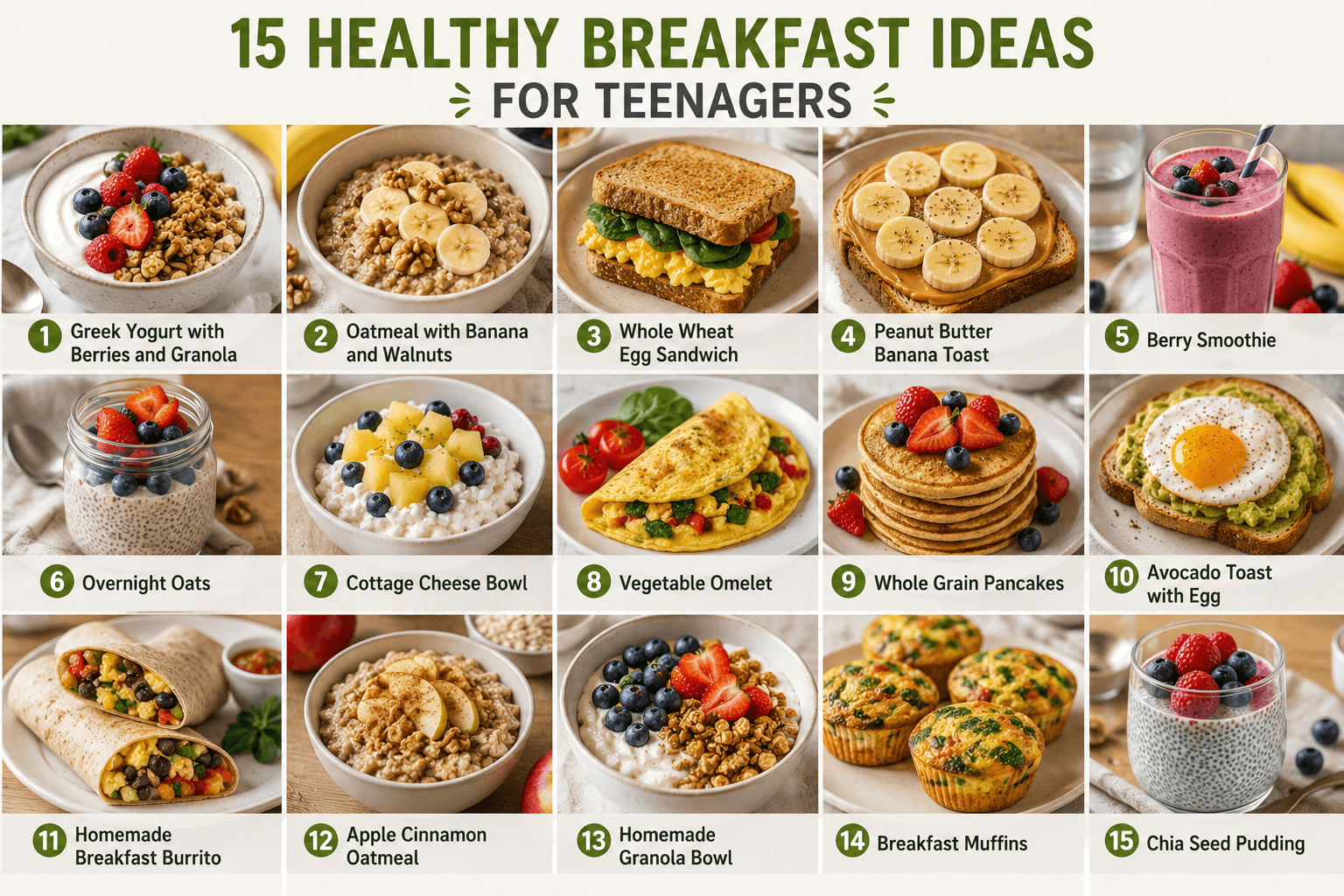
15 Healthy Breakfast Ideas for Teenagers
- Greek Yogurt with Berries and Granola — Rich in protein, calcium, and probiotics, while berries provide antioxidants and fiber. Ready in about 5 minutes.
- Oatmeal with Banana and Walnuts — Warm oatmeal topped with banana slices and chopped walnuts provides slow-releasing carbohydrates and healthy fats.
- Whole Wheat Egg Sandwich — Scrambled eggs served on whole wheat bread with spinach and tomato make an excellent high-protein breakfast.
- Peanut Butter Banana Toast — Whole grain toast with natural peanut butter and banana slices offers a quick combination of protein and healthy carbohydrates.
- Berry Smoothie — Blend Greek yogurt, frozen berries, banana, milk, and chia seeds. Perfect for teenagers who don’t feel hungry early in the morning.
- Overnight Oats — Prepare oats the night before with milk, yogurt, chia seeds, and fruit for a convenient grab-and-go option.
- Cottage Cheese Bowl — Top cottage cheese with pineapple, berries, or peaches for a protein-packed breakfast.
- Vegetable Omelet — Eggs combined with spinach, peppers, onions, and mushrooms create a nutrient-rich meal.
- Whole Grain Pancakes — Serve homemade whole grain pancakes with fresh fruit instead of syrup.
- Avocado Toast with Egg — Healthy fats from avocado plus protein from eggs crate a satisfying breakfast.
- Homemade Breakfast Burrito — Fill a whole wheat tortilla with eggs, black beans, cheese, and vegetables.
- Apple Cinnamon Oatmeal — A naturally sweet breakfast rich in fiber.
- Homemade Granola Bowl — Combine homemade granola with yogurt and fresh fruit.
- Breakfast Muffins — Bake egg muffins with vegetables for quick weekday breakfasts.
- Chia Seed Pudding — Prepared the night before, chia pudding provides omega-3 fats, fiber, and protein.
Foods to Limit at Breakfast
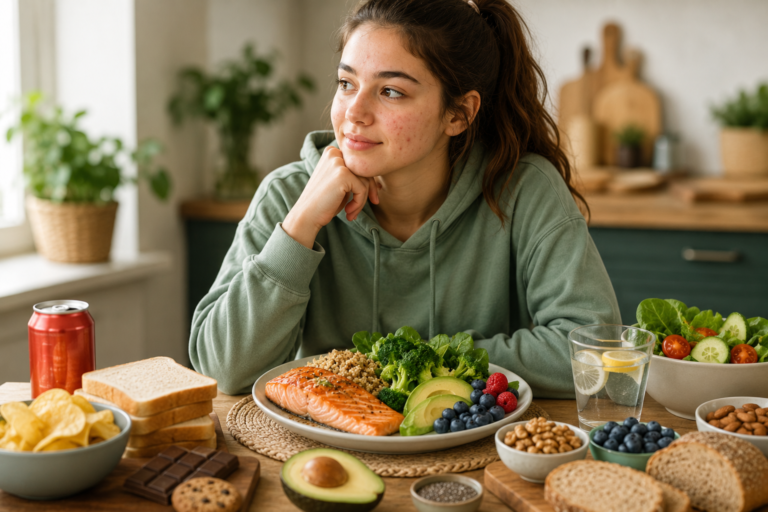
Some breakfast foods contain excessive added sugar and provide little nutritional value. Try limiting:
- Sugary breakfast cereals
- Frosted pastries
- Donuts
- Sweetened coffee drinks
- Energy drinks
- Sugary sodas
These options may lead to short bursts of energy followed by fatigue later in the morning.
Healthy Drinks for Breakfast
What teenagers drink at breakfast matters just as much as what they eat.
- Water is a good default choice, especially alongside a protein-rich meal.
- Plain milk provides protein, calcium, and vitamin D.
- 100% fruit juice can be included in small amounts, but whole fruit is generally preferred because it contains fiber.
- Energy drinks and sweetened coffee drinks are best avoided in the morning, since they can cause energy crashes and interfere with sleep later on.
Quick Breakfasts for Busy School Mornings
If mornings are hectic, these options take less than five minutes:
- Greek yogurt and berries
- Peanut butter toast
- Banana with almonds
- Overnight oats
- Smoothie
- Hard-boiled eggs with fruit
Breakfast Meal Prep Tips
Planning ahead makes healthy eating easier. Helpful strategies include:
- Prepare overnight oats the evening before.
- Wash and cut fruit in advance.
- Cook extra eggs for several days.
- Freeze breakfast burritos.
- Portion homemade granola into containers.
Small preparations can save valuable time during busy mornings.
What if My Teen Skips Breakfast?
Some teenagers genuinely aren’t hungry first thing in the morning, especially during growth spurts or after a late night. Rather than forcing a full meal, a few practical strategies can help.
- Offer a small, easy-to-digest option like a smoothie or a piece of fruit with nut butter.
- Pack a portable breakfast to eat on the way to school or during a morning break.
- Avoid pressuring or arguing about breakfast, which can make mornings more stressful.
- Focus on consistency over time rather than expecting a perfect breakfast every single day.
Common Mistakes Parents Make
- Relying on sugary cereals or pastries as a daily default.
- Assuming teens don’t need breakfast because they “seem fine” without it.
- Not keeping quick, grab-and-go options stocked in the house.
- Skipping protein and relying mostly on refined carbohydrates.
- Giving up after a few refused breakfasts instead of offering different options.
Key Takeaways
- Breakfast supports growth, concentration, and steady energy during the teenage years.
- A balanced breakfast combines protein, whole grains, healthy fats, and fruits or vegetables.
- Quick, portable options make it easier for busy teens to eat breakfast consistently.
- Water and milk are better breakfast drink choices than energy drinks or sugary sodas.
- Meal prep the night before can make weekday mornings far less stressful.
Frequently Asked Questions
Should teenagers eat breakfast every day?
For most teenagers, eating a balanced breakfast is a practical way to meet daily nutrient needs and support energy throughout the day.
Is cereal a healthy breakfast?
Some cereals can be part of a healthy breakfast if they are high in fiber and low in added sugar. Pairing cereal with milk, yogurt, or fruit improves its nutritional value.
What’s the best breakfast before school?
A combination of protein, whole grains, and fruit provides lasting energy and supports concentration during morning classes.
How much protein should a teenager eat at breakfast?
Individual needs vary based on age, sex, growth, and activity level. Including a good source of protein at breakfast can help support satiety and muscle development.
Breakfast is more than just the first meal of the day. For teenagers, it’s an opportunity to fuel growth, improve concentration, and maintain steady energy. Simple choices like eggs, oatmeal, yogurt, fruit, and whole grains can make a meaningful difference in overall nutrition, and preparing breakfasts ahead of time helps busy families build habits that last.
Continue Reading
- What Science Says About Breakfast and Children’s Brain Performance
- Hidden Sugar in Kids’ Food: Where It Hides and How Parents Can Cut Back
- How to Read Nutrition Labels for Kids’ Foods
- Teen Sleep: Why Adolescent Body Clocks Shift Later
- Diet & Teen Acne: What the Research Says
- Exercise & Teen Mental Health